
A lot of people think good interior design means buying expensive furniture or copying what they see online. It doesn’t. A smart home is easy to navigate, feels cozy, and requires little upkeep. It works for your real life. That is the kind of approach you see on decoratoradvice .com.
One thing becomes clear right away: the ideas focus on creating spaces that feel comfortable, practical, and easy to live in every day. The advice feels practical. It focuses on real homes in the United States where families live busy lives. Perfection is not the aim. The goal is comfort and function.
Many readers visit the site to explore fresh ideas and practical inspiration for their homes. Some also take time to learn more about the approach behind the advice and the style philosophy it follows. At the core of everything, the focus stays pretty simple: keep life easy, plan things with intention, and make design feel thoughtful instead of overwhelming. That idea shows up again and again across the content and suggestions, no matter where you look.
This guide brings together practical interior ideas focused on comfort, function, and everyday style. You will learn how to improve layout, lighting, storage, and comfort without overcomplicating things. The same idea comes up again and again: a home should feel comfortable, functional, and easy to live in every day. Design should make life easier, not harder.
Start with How the Room Works
Before choosing paint or decor, look at how the room functions. Walk through it slowly. Notice what feels awkward. Is furniture blocking a path? Do you avoid a certain corner because it feels tight?
Smart interior design always begins with movement. It should be simple to navigate a room. If something feels off, adjust it. Shift a sofa. Rotate a chair. Create more space between pieces.
You immediately note how practical the advice is. It’s simple, clear, and actually usable in real homes. The focus always comes back to everyday life. A living room isn’t treated like a photo set—it’s a place where people sit, talk, watch TV, and unwind after a long day. Layout should support those habits.
Even many partners highlight the same idea in shared features, showing how widely this approach is used and valued. Good design solves small daily problems. It removes friction. That is where real comfort begins.
Pick Colors That Fit Your Life
Color changes how a space feels. But it should support your routine, not dominate it.
You will often notice balanced color choices, especially soft neutrals that create a calm and easy-to-live-in feel. Warm tones. Gentle blues and greens. These shades age well and feel calm over time.
If you explore https//decoratoradvice.com, you will notice advice about testing paint in real lighting. That matters. Morning light and evening light are different. What looks soft in the store might look bright at home.
For open floor plans common in the United States, color flow is important. Rooms should feel connected. Not identical. Just coordinated.
The message stays consistent throughout the site, with a strong focus on practical design, comfort, and everyday living. Choose colors you can live with comfortably. Not just colors that trend online for a season.
Lighting Changes Everything
Lighting can fix a room faster than new furniture.
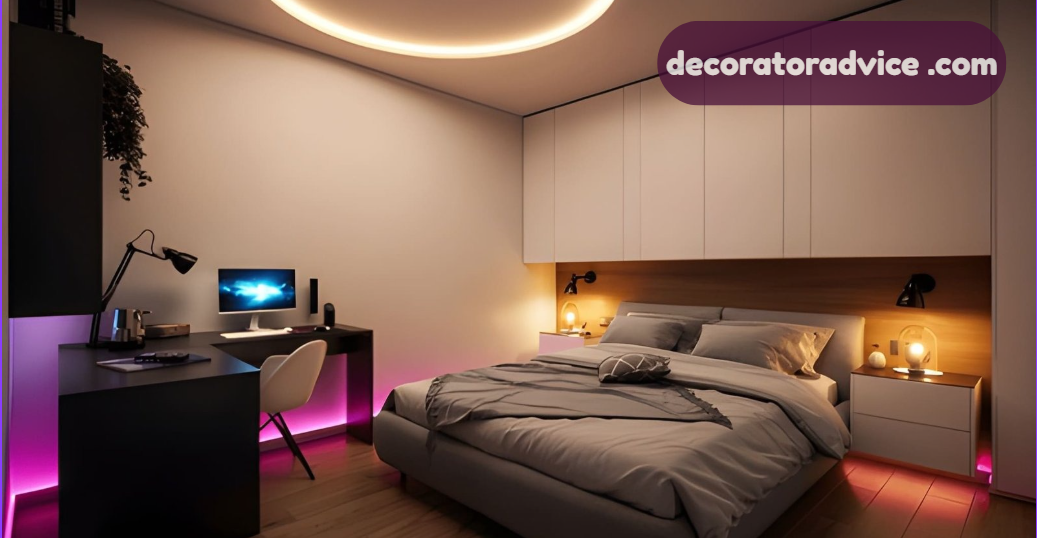
Overhead lights are practical. But alone, they feel harsh. Adding lamps changes the mood immediately. A soft lamp placed next to a chair can turn a simple corner into a calm reading spot. In the evening, lower lighting makes the whole space feel more relaxed and comfortable to wind down in.
Recent features often mention layering light—using brighter lighting in areas where tasks are done and softer lighting in spaces meant for relaxation. Use softer light where you unwind.
Even simple upgrades like warmer bulbs can shift the feel of a room. It is not complicated. It is thoughtful.
Readers who keep up with updates often notice ideas around smart lighting systems as well, especially how lighting can make everyday spaces more practical and comfortable.
Adjustable brightness makes rooms flexible without extra clutter.
Choose Furniture That Makes Sense
Furniture should earn its place.
Before buying anything, measure your space. Think about how often you use it. A storage ottoman works harder than a decorative table. A dining table that extends helps during holidays.
Many home styling ideas now focus on multipurpose furniture because it works well for everyday life. Flexible spaces simply make homes easier and more comfortable to live in.
If you browse shared features from decoratoradvice .com partners, you will see this repeated advice. Function first. Style second.
Large pieces should stay simple. That keeps the room balanced. Then you can add smaller personality details later.
Hide the Clutter in Smart Ways
Clutter builds quietly. Then one day the room feels crowded.
Smart storage makes daily life smoother. Baskets under consoles. Closed cabinets in living rooms. Hooks by the entry. These small systems prevent mess from spreading.
The idea behind it is pretty straightforward: real life comes first, not perfect setups. If your keys always land by the door, then putting a tray there just makes sense—it’s about making life easier, not forcing new habits.
A lot of the storage advice follows the same thinking. It’s built around how people actually live day to day, so the solutions feel natural and easy to stick with instead of complicated systems you end up ignoring. The focus is not on complicated systems or picture-perfect setups, but on solutions people can actually maintain.
Add Texture Without Adding Chaos
Rooms feel flat when everything is smooth and plain.
Texture fixes that. A woven rug. Linen curtains. A soft throw blanket. These details make spaces feel layered.
Decoratoradvice.com often highlights natural materials because they feel warm and grounded. Wood, cotton, wool, and stone. They age well and feel honest.
You do not need loud patterns. Just mix surfaces thoughtfully. It makes rooms feel lived in without clutter.
Do Not Chase Every Trend
Trends move fast. Your home should feel steady.
Keep big pieces classic. Neutral sofas. Simple cabinets. Clean lines. If you want something trendy, try it in small decor pieces.
Latest decoratoradvice .com updates often remind readers to avoid redesigning entire rooms for short-term trends. It saves money and stress.
After spending some time with the ideas and advice, a clear pattern starts to appear: comfort, balance, and long-term practicality matter more than short-lived trends.
Comfort Comes First
If furniture looks good but feels uncomfortable, it will not get used.
Sit in chairs before buying. Think about how long you stay in certain rooms. A soft rug in a bedroom feels better first thing in the morning.
The advice always comes back to the same point: functionality and comfort are equally as important as appearance.
Homes are for living. Not just looking.
Make It Personal
A room feels complete when it reflects you.
Family photos. Books you actually read. Art that means something. These details create warmth.
Readers often add personal touches to their spaces instead of copying showroom or catalog styles. That’s what makes a home feel more genuine and lived in.
When you explore the content, the message comes through clearly: design should support your life, not take it over.
Keep Adjusting Over Time
No room is finished forever.
Your needs change. Furniture wears out. Life shifts.
Start with layout and lighting. Improve storage next. Change colors later if needed.
It’s worth checking it from time to time because new posts and design ideas are added regularly. The latest updates often highlight practical trends, simple styling changes, and real-world home solutions that are easy to apply. Over time, minor adjustments are simpler than major redesigns.
Smart interior ideas are simple. They focus on real use. When you follow practical advice from decoratoradvice .com, your space starts to feel calmer and easier to manage.
And that’s the point. a house that you can use every day.