


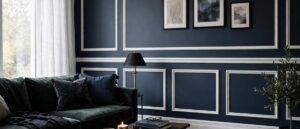
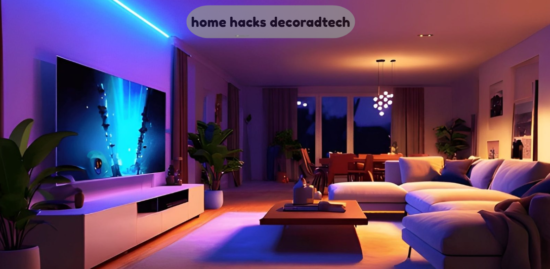
Let’s be honest: most home decor advice looks stunning in a professional photoshoot and falls apart the moment a real family moves through the space. That beautifully styled living room was cleared of every sign that an actual human being lives there.
Real home decor is a different conversation entirely. It’s about spaces that make your daily life easier — not a showroom that only works for the camera. Whether you’re renting a small apartment or managing a busy family home, the principles here are built for reality, not Pinterest.
Key Takeaways: Designing for Reality
- Functional Layouts: Map your floor plans around real daily foot traffic, not static imagery.
- The Undertone Test: Never commit to a wall color without testing large paint swatches across a full week.
- Smart Budgeting: Spend heavily on surfaces and seating that take direct physical wear; save on purely decorative accent items.
The Core Philosophy Behind Https//decoratoradvice.com

The most important mindset shift in decorating is this: your home exists to serve you. You are not here to service your house.
Social media quietly trains us to think the opposite. We feel embarrassed when a guest sees a charging cable on the counter. We move pillows off the bed every morning and back on every night in an exhausting ritual of aesthetic maintenance. Functional design asks one question: How does this space need to work every single day? Not on holidays. Every day. When you design around that answer, something unexpected happens — the aesthetic usually improves too. Clutter disappears because everything has a natural home. Rooms feel calm because they’re no longer fighting against how you actually live. Smart, human-centered choices outlast every design trend.
How Rooms Are Planned for Real Use

Before you browse a single furniture website, spend a week simply observing. Where do things actually get dropped? Where do two people collide in the kitchen? Which corner of the sofa collects mail?
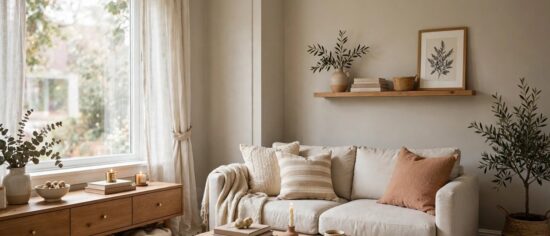
Living Rooms need to support conversation, television, kids, and sometimes work—often simultaneously. Seating arranged so people face each other at roughly 8 to 10 feet apart creates natural conversation without anyone straining. A rug large enough for the front legs of all major seating to rest on ties the entire room together in one move.
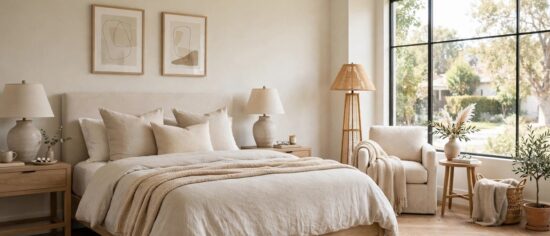
Bedrooms have one job: support rest. Every decision—window treatments, storage, layout—should filter through that lens. Accessible clothing storage on both sides of the bed (even a wall-mounted shelf works) reduces the morning chaos that makes rooms feel harder to keep tidy.
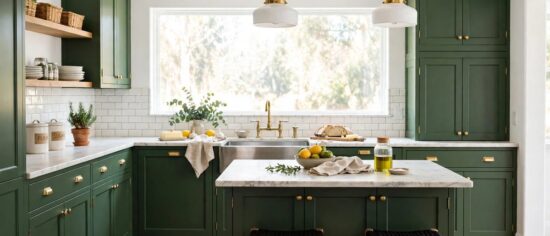
Kitchens operate in the “work triangle” formed by the sink, stovetop, and refrigerator. When that triangle gets obstructed by a poorly placed island or cabinet, the whole cooking experience suffers. Add “landing zones”—flat surfaces right next to the oven and fridge—and you’ll eliminate the awkward shuffle that happens with nowhere to set something hot.
Understanding scale is what separates rooms that photograph well from ones that actually live well. For a complete breakdown of spatial layouts, explore our decoratoradvice.com
Color Choices That Feel Calm and Livable

Most color mistakes don’t happen because someone chose the wrong color. They happen because they chose the right color in the wrong light.
Paint is fundamentally unstable—it shifts constantly between morning’s cool light and afternoon’s warm amber. A sophisticated gray store can easily become a pink disaster in your kitchen.
To avoid expensive mistakes, build your palette intentionally:
- Test before committing: Always buy sample pots, paint a large swatch on the wall, and live with it for a full week.
- Layer your palette: Keep big-ticket items—walls, flooring, and large upholstery—neutral. This extends the life of your design and lets you refresh low-cost accent layers (pillows, art, plants) easily.
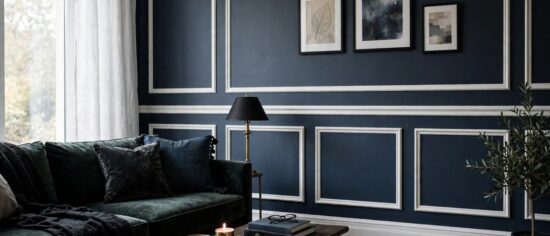
- Watch the undertones: Every color has a subtle hue beneath it. When a warm wood floor fights a cool gray wall, the room will feel “off” in a way that’s impossible to ignore.
Learn how to master undertones on our decoratoradvice com .
Furniture Guidance That Avoids Regret

Furniture regret is common, expensive, and almost entirely preventable.
The top cause: buying before measuring. Bring a tape measure. Know your ceiling height and doorway widths—many large pieces can’t physically make it into a room without planning. Scale matters beyond just fit: a coffee table should be roughly two-thirds the length of your sofa and 14 to 18 inches away from it—close enough to reach your drink and far enough to walk past without hitting your shins.
The second cause: choosing looks over durability. That gorgeous bouclé sofa lasts about a year with toddlers and pets before looking like a crime scene. Performance fabrics, solid wood frames, and high-density foam cushions are worth the premium on pieces that get daily physical use.
The rule: invest in things your body uses daily — sofas, mattresses, dining chairs. Save on decorative pieces that don’t bear physical stress. To see our curated recommendations for durable pieces, check out our latest decoratoradvice .com .
Lighting That Improves Daily Comfort

If you could make one single change to transform how your home feels, it’s fixing the lighting.
A single overhead light creates flat, shadow-heavy illumination—the visual equivalent of a fluorescent office. No furniture arrangement overcomes it. The solution is layering three types of light together.
Ambient lighting fills the room—ceiling fixtures and recessed lights. Put it on a dimmer; this is one of the cheapest, highest-impact upgrades in any home.
Task lighting is functional and focused—reading lamps, under-cabinet kitchen lights, and desk lamps. Without it, people compensate by blasting ambient light to harsh levels.
Accent lighting adds warmth and depth—a lamp on a side table, LED strips behind shelving, or candles. These low-intensity sources soften an entire room.
On the natural light side: sheer curtains diffuse light beautifully, and a mirror placed opposite a window can nearly double a room’s perceived brightness. Read our practical tips in the renovation tips decoradhouse
Storage That Fits Daily Habits

A system you won’t actually use is worse than no system at all.
Instagram-worthy pantries look great for 48 hours—until real life hits and the system collapses, leaving you with guilt on top of the mess. Effective storage simply removes friction from existing habits. Store things where they actually get used, and make putting them away just as easy as taking them out.
Plan for your real volume, not an aspirational one: Four hooks for six people’s coats isn’t a system—it’s optimism. Plan for your real life, not your aspirational one. Explore our organizing frameworks in the decoratoradvice .com home .
Decorating for Comfort Over Appearance

A room that photographs beautifully but makes you slightly uncomfortable every time you sit in it has failed its most fundamental purpose.
Physical comfort starts with seating depth. A deep sofa feels casual and enveloping—great for movies, harder for conversation. A shallower seat keeps you upright and engaged. Neither is wrong; knowing the difference before you buy prevents buying the wrong one.
Texture matters more than people expect. A room of smooth, hard surfaces—leather, metal, glass, and lacquered wood—feels cool and uninviting regardless of how beautiful it is. Adding woven throws, plush rugs, and linen cushions introduces warmth at a sensory level that no amount of visual styling can replicate.
Acoustic comfort is the most underestimated factor in a pleasant home. Hard surfaces amplify every sound—conversations, cooking, and traffic. Rugs, heavy curtains, upholstered furniture, and even book-filled shelves all absorb echo and reduce the low-level stress most people feel but never identify as a design problem. Discover how to cozy up your space with our smart home decoradtech
Smart Budget Decisions Without Shortcuts
The smartest budgeting framework in home decorating is “cost per use.” A $2,000 sofa used daily for ten years costs $0.55 per day. A $500 sofa that deteriorates in three years costs more per day — with less comfort and the eventual cost of replacement factored in.
Spend on: mattresses, sofas, dining tables, flooring, and core storage. These items bear daily physical stress, and cheap shortcuts show quickly.
Save on: decorative accessories, lighting fixtures, accent furniture, artwork (prints and framed posters work just as well as originals), and soft furnishings you can refresh over time.
One practical move: budget by frequency of use. If you spend three hours a day in your living room and fifteen minutes in the guest room, your spending should reflect that.
The Realistic Budget Blueprint
| Investment Category | 🛋️ Spend (High Physical Wear) | 🖼️ Save (Purely Decorative) |
| Living Room | Main sofa, high-density foam seating | Side tables, accent chairs, throw pillows |
| Bedroom | Mattress, daily apparel storage | Nightstands, headboards, window sheers |
| Dining & Kitchen | Dining table, frequently used chairs | Light fixtures, counter stools, bar carts |
| Accents & Styling | High-traffic flooring, core entryway hooks | Wall art, shelving decor, cozy throws |
Personal Style Without Labels
When someone asks what your design “style” is, don’t panic. Labels like Scandinavian minimalism are great search terms, but terrible frameworks for real life. The most interesting homes aren’t a single style—they reflect a real person with a real history.
Mixing styles isn’t a mistake; it’s what confident decorators do. The key is intentionality:
- Avoid random buying: Don’t just purchase items and hope for coherence.
- Create a common thread: Maintain consistency in one element—like a warm color temperature or a consistent wood tone—while varying everything else.
A room full of personality will always beat a room that looks like a catalog page.
Your home should reflect your life, your climate, and the architectural character of the building itself. Working with your building’s DNA rather than against it produces better results with less effort. Find inspiration for blending design styles in our upgrading tips decoradhouse
Trust Built Through Consistent Guidance
Transforming your home takes time—and that’s not a problem to be solved. Quick reveals make great television, but they are terrible models for real life. Real decorating happens in phases. You fix what frustrates you most first, live with those choices, and let your improvements compound over time. The objective is a home that improves your daily life in quantifiable ways, constructed gradually and anxiety-free, rather than a perfect, overnight revelation. For our latest industry insights, strategies, and design updates, be sure to bookmark our https//decoratoradvice.com hub.
Helping Readers Make Better Choices

Most decorating mistakes aren’t about bad taste; they’re about skipping the thinking step. Buying a sofa before measuring, or painting before testing a sample, isn’t a failure of style—they’re failures of planning, and they’re completely avoidable.
Good guidance doesn’t tell you what to like; it slows you down before the point of no return. When trade-offs and consequences are clear upfront, you stop decorating reactively and start acting deliberately. The mistakes get fewer, and your home slowly becomes something you built on purpose
Coverage in latest news decoratoradvice.com reflects exactly this—real guidance for real decisions, written for people who want their homes to work, not just photograph well.
Final Thoughts on Https//decoratoradvice.com
There is no shortage of home decor advice telling you what to buy or what’s trending. What is rare is the truth: that expensive pieces aren’t always worth it, trendy colors date quickly, and organizing systems only work if they match how you actually live.
Decorating advice shouldn’t just look good on a mood board; it needs to make sense six months later when real life moves back in. For anyone wanting to make fewer mistakes and live more comfortably in the space they already have, that kind of steady, practical guidance is what truly matters.