
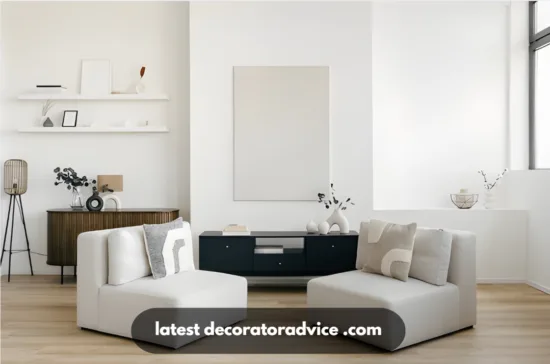
In real life, most home décor trends don’t work as well as they do in pictures. They disregard the reality of human existence. More than any trend, a home is shaped by shared spaces, hectic mornings, and tight budgets.
That is where the latest decoratoradvice .com home decor trends for everyday living stand apart. Instead of focusing on perfect styling, they focus on spaces that feel calm, useful, and easy to maintain over time.
Homes today are doing more than ever. Living rooms double as workspaces. Kitchens handle quick meals and long days. Bedrooms are no longer just for sleep. This shift has changed what people expect from design.
This guide breaks down how these changes are influencing real homes across the United States. Not staged interiors, but spaces people actually use every day. You will see how layout, color, materials, and lighting are evolving — and how to apply these ideas without overcomplicating your space. Many of these ideas are also explored in more detail on https//decoratoradvice.com, where the focus stays on practical living instead of staged perfection.
The goal is simple. A home should not feel like a showroom. It should support your daily life without adding stress. That is the thinking behind the latest decoratoradvice .com approach, where function always comes before appearance.
Living spaces that feel relaxed and usable
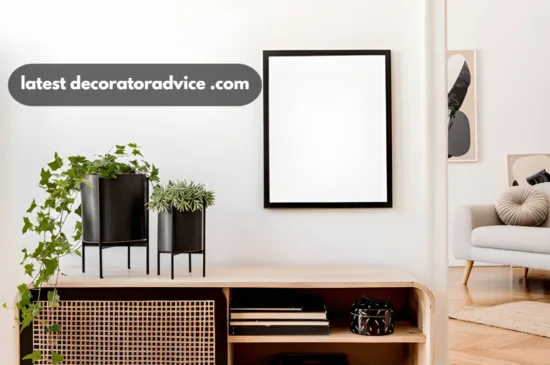
A living room used to be something you “set.” Now it’s something you actually live in.
People are working, relaxing, watching shows, and spending time together in the same space. Because of that, the design has softened. Nothing feels too formal anymore.
Sofas are deeper. Fabrics are more forgiving. Not everything needs to match perfectly.
Warmer neutral tones are replacing colder shades because they feel easier to live with. They don’t highlight every small imperfection, and the space feels more natural. Many ideas in the latest decoratoradvice .com are based on how real people use their spaces, not just how they look in photos
What stands out most is this shift toward fewer, more meaningful pieces. Not empty — just intentional. That balance is what makes a space feel calm.
Kitchens designed for real cooking and daily routines
The majority of kitchens don’t fail due to poor design. They fail because they don’t match how people actually use them.
The kitchen is become more than simply an important center in many houses. It’s where quick breakfasts happen, where groceries pile up, and where people cook after long workdays. That shift is what newer decoratoradvice.com trends are responding to — less display, more function.
Instead of bright white, high-maintenance finishes, homeowners are moving toward materials that can handle daily wear. Warmer cabinet tones like soft off-white or natural wood hide fingerprints better and feel less clinical over time.
Storage is changing too. Open shelves may look good online, but they rarely work in real life unless you maintain them constantly. That’s why many homes are going back to closed storage, deeper drawers, and pull-out sections that actually reduce clutter.
Movement inside the kitchen matters more than most people are aware of. A space that allows easy access to everyday items will always feel better than one designed only for appearance.
Lighting is also becoming more intentional. Instead of relying only on overhead lights, many kitchens now combine task lighting with softer ambient light. It reduces strain and makes the space feel calmer in the evening.
The biggest takeaway is simple. A kitchen that works well doesn’t try to impress all the time. It supports real routines first — and that’s the direction decoratoradvice.com is moving toward.
Bedrooms that support rest and routine
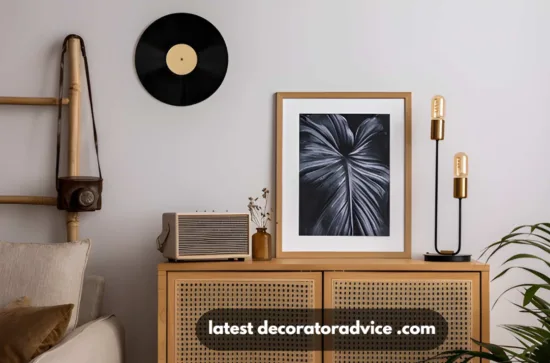
Bedrooms are becoming quieter again — and that’s a good thing.
Rest is not aided by excessive decorations. Actually, it frequently has the opposite effect.
Now the focus is on reducing distractions. Softer colors, simple furniture, and comfortable materials are taking priority over styling.
Over time, natural materials like cotton and linen feel better and require less upkeep. Additionally, the lighting is softer, which contributes to the room’s calmer atmosphere.
This shift has also been highlighted in latest news decoratoradvice.com, where the focus continues to move toward comfort instead of over-designing spaces.
Bathrooms that balance comfort and easy care
Bathrooms don’t need to be complicated.They have to be easy to use and maintain.
For this reason, more people are selecting basic materials that don’t require continuous cleaning.Large tiles, matte finishes, and minimal surfaces are becoming more common.
Storage plays a big role here. When everyday items are organized properly, the space automatically feels better.
The lighting is also softer now. Harsh lights are being replaced with more balanced options that work better for daily routines.
Dining areas that adapt to modern life
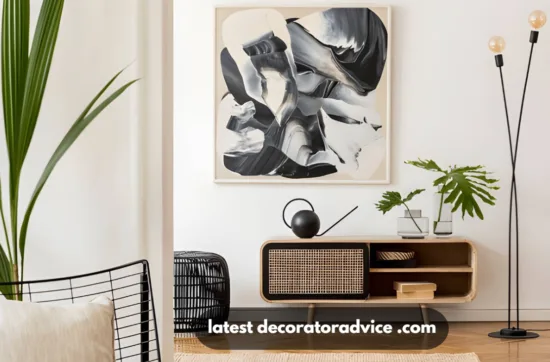
Dining spaces are no longer just for meals.
In many homes, they are used for working, sitting, and spending time throughout the day. Because of that, the design is becoming more flexible.
Tables are chosen for everyday use. Chairs are comfortable enough for longer sitting.
There is also less pressure to decorate these spaces heavily. Simplicity makes them easier to use in different ways.
Integrating home offices with living areas
Work has become part of home life, whether people planned for it or not.
Instead of separate offices, many are creating workspaces inside existing rooms. The key is keeping everything balanced so the space doesn’t feel taken over by work.
Simple desks, clean storage, and matching tones help the workspace blend in. When work is done, the room still feels like home.
Comfort is important here too. A good setup supports long hours without affecting the rest of the space.
Entryways that set the tone
Entryways may be small, but they affect everything else.
If this space is messy, the rest of the home starts to feel the same.
That’s why practical storage matters more than decoration here. A place for everyday items keeps things under control without effort.
You don’t need much — just enough to keep things organized.
Materials that age well and feel honest
People are starting to move away from overly perfect finishes.
Rather, they are selecting materials that feel authentic and get better with time. Wood, natural fabrics, and textured surfaces create a more grounded feel.
These choices also last longer, which reduces the need to replace things often.
This approach is becoming more common across decoratoradvice.com, where the focus is on long-term usability instead of short-term trends.
Color trends that support daily life
Color choices are becoming more practical.
Over time, people are choosing tones that seem comfortable rather than making big statements. Warm neutrals and earthy hues are more adaptable and simpler to live with.
Accent colors are still used, but in smaller ways that don’t overwhelm the space.
Lighting that supports mood and function
Lighting can completely change how a space feels.
Relying on a single overhead light rarely works well. That’s why layered lighting is becoming more common.
A more balanced atmosphere is produced by combining lamps, focused lighting, and softer lighting.
It has nothing to do with décor. Making the area feel comfortable all day long is the goal.
Decorating with intention not excess
One of the biggest changes right now is simple — people are buying less.
Not because they have to, but because too much clutter creates stress.
Instead of filling every space, they are choosing items that actually matter or serve a purpose.
Empty space is no longer seen as missing something. It’s part of what makes a room feel calm.
Why everyday living drives these trends
One concept lies at the heart of all these changes: real life comes first.
The latest decoratoradvice .com direction reflects that clearly. Nowadays, a home’s design goes beyond aesthetics. They are made to function.
As daily routines change, design is becoming simpler, more flexible, and more practical.
That’s why these trends are not going awayTheir ability to solve actual problems is what keeps them going.