
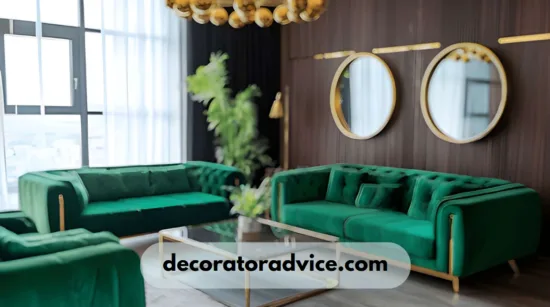
Decoratoradvice.com is an interior design resource offering practical, style-forward guidance on home organization, décor, and comfort. It covers everything from furniture arrangement to color psychology, helping everyday homeowners create cleaner, more livable spaces without hiring a professional designer.
I stumbled onto this platform a couple of years back when I was trying to figure out why my living room—despite being clean—always felt “off.” The furniture was fine. The colors weren’t terrible. But something wasn’t working. After spending a weekend going through the guides on https//decoratoradvice.com, I realized I had ignored the fundamentals: spatial flow, light layering, and intentional negative space.
That experience is exactly what makes this kind of resource valuable. It bridges the gap between professional interior design knowledge and the practical realities of a regular American household.
How Clutter Affects Your Mental Health and Home Comfort
Is your home making you more anxious than relaxed? Because research from Princeton University’s Neuroscience Institute has shown that visual clutter actively competes for your attention, increasing stress and decreasing your ability to focus.
This is where the guidance from decoratoradvice.com becomes genuinely useful—not as abstract “tips” but as real tools for changing how your home feels.
Key habits that reduce visual noise:
- Adopt the one-in, one-out rule. Every new item you bring home means one old item leaves. This keeps accumulation from quietly taking over.
- Use closed storage wherever possible. Open shelving looks great in magazines; in real life, it becomes a dust magnet and a visual drain fast.
- Designate a “drop zone” near your entry. A small bench with a basket underneath handles shoes, bags, and mail—the three biggest clutter culprits in most homes.
- Do a 10-minute reset every evening. This isn’t deep cleaning. It’s returning things to where they belong so tomorrow starts clean.
These aren’t revolutionary ideas. But consistent practice is the difference between a home that stays comfortable and one that slowly tips into chaos.
Best Color Palettes for a Clean and Calm Home
What makes a room feel clean isn’t just organization—it’s color. How you use color on your walls, furniture, and textiles sends powerful psychological signals before anyone picks up a single item.
Based on the latest decoratoradvice .com content and current 2024–2025 interior design trends, these palettes are resonating strongly with American homeowners:
| Color Palette | Best Room Application | Why It Works |
| Warm Whites + Greige | Living rooms, bedrooms | Feels clean without being clinical; pairs with wood tones naturally |
| Soft Sage Green | Kitchens, bathrooms | Calming, biophilic; associated with cleanliness and nature |
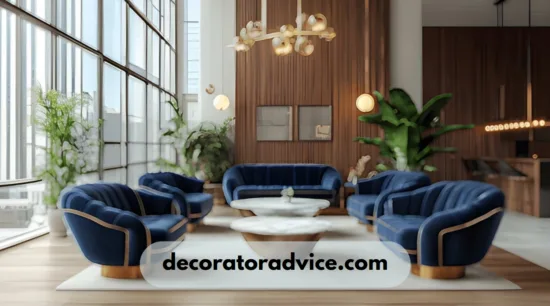
| Navy + Crisp White | Home offices, dens | High contrast creates order; professionally grounded |
| Terracotta + Cream | Dining rooms, entryways | Warm and welcoming; trending heavily in U.S. homes since 2023 |
| Dusty Blue + Linen | Bedrooms, reading nooks | Sleep-promoting; low visual stimulation |
FAQ: What paint color makes a room look cleanest? Warm white tones — think Benjamin Moore’s “White Dove” or Sherwin-Williams “Alabaster” — consistently test as the cleanest-feeling shades because they reflect light without the cold sterility of pure white.
How to Arrange Furniture for Better Room Flow and Comfort
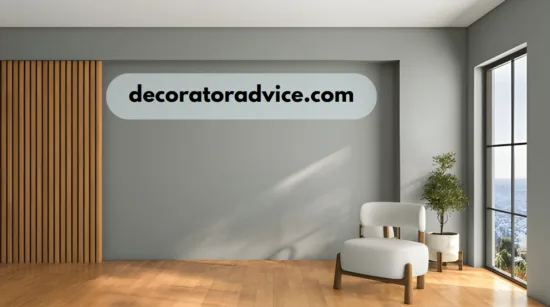
Is your furniture placement working against you? Because the most common mistake I see in American homes — and one I made myself for years — is pushing all the furniture against the walls.
It feels logical. More open space in the middle, right? But it actually makes rooms feel less intimate and harder to converse in.
What actually works:
- Float your sofa. Pull it 12–18 inches from the wall. Anchor it with a rug underneath. The room will immediately feel more intentional.
- Create conversation zones. Chairs should face each other, not the TV. Even if the TV is the main focus, angle seating so people can talk without craning their necks.
- Leave 30–36 inches of walking clearance around main traffic paths. This keeps the space feeling open even when furnished.
- Scale matters more than style. A beautiful oversized sectional in a small room doesn’t look luxurious — it looks cramped. Measure before you buy, every time.
I relearned this the hard way after buying a couch online that looked perfect in photos but swallowed my 12×14 living room entirely. Two months of living with it, then a painful return. Now I tape out furniture dimensions on the floor before committing.
What Are the Latest Home Organization Trends?
What’s changed in home organization isn’t just aesthetic—it’s structural. The latest trends reflect how Americans actually live post-pandemic, with more people working from home and expecting their spaces to serve multiple functions simultaneously.
Current shifts worth knowing about:
- “Quiet organization” is replacing maximalist organization systems. Matching containers, neutral labels, hidden storage — the goal is calm, not catalog-perfect.
- Multifunctional furniture has moved from trend to standard. Ottoman storage, Murphy beds with desk attachments, and dining tables that extend for home office use are selling faster than ever.
- Biophilic design elements—plants, natural materials, wood textures, and stone—are being layered in even small apartments because of their proven effect on stress reduction.
- The “junk drawer” is being reimagined as a purposeful utility drawer with defined sections and tiny containers. It still exists (and should—you need somewhere for batteries and tape), but it’s no longer a chaos pocket.
FAQ: How do I make my small home feel more comfortable and organized? Start with lighting, then storage. Add a warm-toned floor lamp to any corner that feels dead. Then identify your three biggest clutter sources and create a home for each one before buying any new décor.
How to Layer Lighting for a Comfortable Home Atmosphere
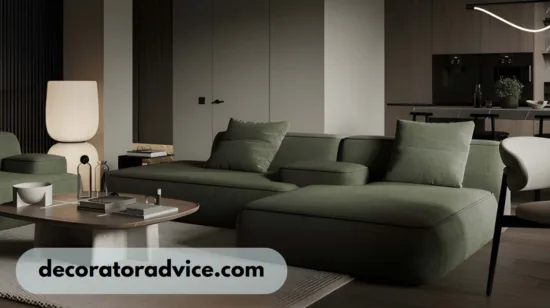
Is your home relying on a single overhead light? Because that’s one of the fastest ways to make even a well-decorated space feel flat and institutional.
Lighting works in three layers—and every comfortable room I’ve ever been in uses all three:
- Ambient lighting — your baseline illumination (ceiling fixtures, recessed lights).
- Task lighting — focused light where you work, read, or cook (desk lamps, under-cabinet lights, pendants over kitchen islands).
- Accent lighting—the layer most people skip and the one that makes the biggest difference (table lamps, sconces, and LED strips behind shelving).
The rule I follow: every room should have at least one light source that is not on the ceiling. That alone changes the entire character of a space after dark.
Practical Tips From Real Decorating Experience
After years of reading, testing, and occasionally getting things completely wrong in my own home, here’s what I’d tell anyone just starting to take their space seriously:
- Buy less, choose better. One quality piece of furniture outlasts three budget options and looks better doing it.
- Textiles transform rooms faster than paint. New throw pillows, a different rug, linen curtains that puddle on the floor—these changes are immediate and reversible.
- Clean surfaces are a design choice. Styling is mostly subtraction. Clear the counter. Edit the bookshelf. Less is almost always more.
- Smell is underrated. A home that smells clean and good — whether from a candle, a diffuser, or simply fresh air — feels more comfortable before anyone even looks at the décor.
FAQ: How often should I redecorate my home? You don’t need to redecorate on a schedule. Instead, do a seasonal refresh: switch out throw pillows and blankets, swap a couple of art pieces, and adjust lighting warmth. Small, frequent changes maintain a sense of a living, cared-for home.
Conclusion: Making Your Home Work for Your Life
Comfortable, clean spaces don’t happen by accident — and they don’t require a designer’s budget. What they require is intention: understanding how light, color, furniture placement, and organization work together to create an environment that supports you rather than stresses you.
Decoratoradvice.com provides practical interior design advice and actionable home organization tips that work in real American homes, not just staged magazine layouts.
What to do next: Pick the one room in your home that bothers you most right now. Apply just one principle from this article—rearrange the furniture, add a lamp, or clear a surface. Observe how it alters the atmosphere of the space. Then take the next step.
That’s how a home actually improves: one honest, practical decision at a time.