
Decoradhouse mistakes are small design choices that quietly make a home look less put together. It’s not about expensive furniture or luxury brands. It’s about scale, lighting, clutter, and how things sit together in a space.
Poor lighting, oversized or tiny furniture, visible clutter, and mismatched styles can easily make a home feel messy or cheap instead of balanced, warm, and comfortable.
Most homes don’t look cheap because of one big problem. Usually, it’s a collection of minor problems that compound. The goal here is to spot them early and fix them in a simple way.
Why small decoradhouse mistakes change how your home feels
A home can have good furniture and still feel “off.” That’s because the eye picks up patterns. When things don’t match in scale, spacing, or tone, the brain reads it as disorder.
In most modern homes, especially small apartments, people try to do too much in one space. That’s where decoradhouse problems start.
- You will usually notice these specific signs in a room that feels off
- Furniture that looks too big or too small
- Random decor items with no connection
- Lighting that feels flat or too harsh
Recent home design surveys from renovation platforms show a simple trend: most homeowners feel their space looks “less expensive” because of layout and lighting, not because of furniture quality. That says a lot.
The main idea is simple. If your eye can’t rest in a room, something is off.
How Poor Lighting and Hidden Clutter Make Your Home Feel Cheap
Lighting is one of the biggest reasons a home looks cheap, but people rarely notice it first.
- Bad lighting typically creates problems, such as a single ceiling light doing all the work
- Dark corners that feel unused
- No mix of warm and soft light
Good styling uses layers, combining lighting, textures, colors, and furniture placement to make a home feel warm, balanced, and visually inviting. That means ceiling light, table lamps, and natural light working together. When one layer is missing, the space feels flat.
Clutter is the second issue that builds fast. I’ve noticed rooms usually don’t look messy because of one big thing. It’s often the small stuff like crowded shelves, visible wires, or too much random décor. I think simple fixes like clearing surfaces, hiding cables, and using soft lighting make a bigger difference than buying new decorations.
Furniture scale mistakes and layout issues
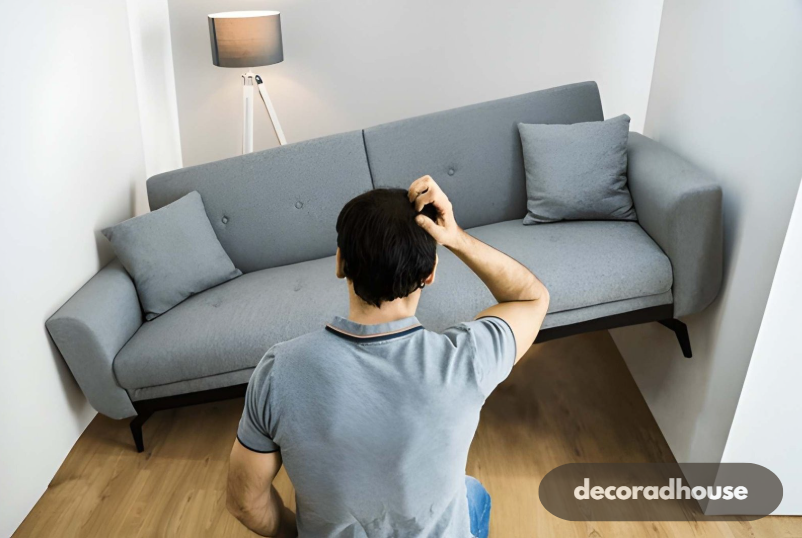
In my experience, one of the biggest decorating mistakes is using furniture that doesn’t match the room size. A huge sofa in a small space, furniture pushed against every wall, or too many styles mixed together can make the room feel awkward instead of comfortable.
This breaks flow. A room feels better when there is space to move and breathe. Even a small room can look balanced if the layout is right.
A few basic rules can help you maintain balance and flow
- Leave walking space between pieces of furniture
- Don’t block natural light sources
- Keep furniture heights balanced
- Avoid overcrowding one side of the room
For example, a small sofa paired with a large bulky coffee table will always feel off. It’s not about cost. It’s about proportion. This is where many “decoratoradvice .com home” style guides often focus on balance rather than buying new things.
The role of color, texture, and visual balance
From what I’ve seen, color mistakes may seem small, but they can completely change how a room feels. When too many bold colors are used together without any neutral balance, everything starts competing for attention, and the space can end up looking chaotic instead of comfortable.
Home styling works best when there is a clear base tone supported by a few small accent colors and textures. A better approach is to use neutral walls with one or two accent colors.
- Neutral walls
- One or two accent colors
- Repeated tones across the room
Texture also matters. Smooth surfaces make a space feel flat. Mixing soft fabric, wood, and metal creates depth. A simple approach:
- Add one textured item per area (rug, cushion, or curtain)
- Repeat materials instead of mixing too many
- Keep color palette limited
This is also where many garden tips decoradhouse ideas connect, especially when outdoor and indoor spaces are visually linked. Consistency between them makes the home feel more complete.
Storage habits that make homes look messy without people noticing
Storage is often ignored in decor discussions, but it changes everything. Even a well-decorated room looks cheap if storage is poor. Storage problems often look like open shelves with no visible structure.
- Items stored in plain sight
- No defined “home” for objects
The problem isn’t storage itself. It’s visibility.
Based on what I’ve noticed, simple fixes usually work best. Using closed storage, keeping daily items in fixed spots, grouping similar items together, and avoiding mixing décor with everyday utility items can instantly make a space feel calmer and more organized.
Many modern homes struggle here because they try to display everything. But it’s not necessary to display everything.
How furniture placement changes perception of space
Placement is often more important than the furniture itself. A well-placed cheap sofa can look better than an expensive sofa in a bad position. One of the biggest placement mistakes is blocking windows or centering everything without a clear purpose.
A room usually needs one clear focus. That could be a sofa facing a window, a wall feature, or a simple TV setup. When Nothing is different; everything is the same.
Try this:
- Choose one focal point per room
- Arrange furniture around it
- Keep pathways open
This creates flow without adding anything new.
Digital influence and design confusion (and why it matters)
Social media has changed how people decorate. It also creates confusion.
People copy:
- Over-styled rooms
- Unrealistic lighting setups
- Over-decorated corners
But real homes don’t need that level of styling.
This is where resources like https//decoratoradvice.com often emphasize practical setups instead of staged looks. The problem is comparison. People try to copy online images instead of building a layout that fits their own space.
A better approach:
- Focus on comfort first
- Then improve small visual details
- Avoid copying full room setups
Homes should work in real life, not just in photos.
Small details that quietly upgrade or downgrade a home
This is where most decoradhouse mistakes either show or disappear.
From what I’ve noticed, small things matter more than people think. Curtain length, switch placement, frame alignment, and rug size can quietly change the whole feel of a room—when they’re off, the space just doesn’t look balanced, even if everything else is fine.
For example, a rug that is too small makes a room feel unfinished. Curtains that stop above the window line make ceilings feel lower. These aren’t big design choices, but they change perception fast.
Simple fixes:
- Use floor-length curtains
- Choose slightly larger rugs than expected
- Align wall items carefully
- Keep metal finishes consistent
These small adjustments often make a home feel more “complete” without new furniture.
Final thoughts: fixing decoradhouse mistakes without overthinking it
Most homes don’t look cheap because of bad taste. They look that way because small design choices were never balanced. You don’t need a full redesign.
Honestly, it just comes down to better lighting layers, less visible clutter, proper furniture scale, cleaner storage habits, and a simple color direction.
Fixing even two or three of these can change how your home feels. If you want to go further, look at your space like a whole system, not separate items. That mindset alone removes most decoradhouse mistakes.The goal is simple. Make the space feel natural, not forced.