
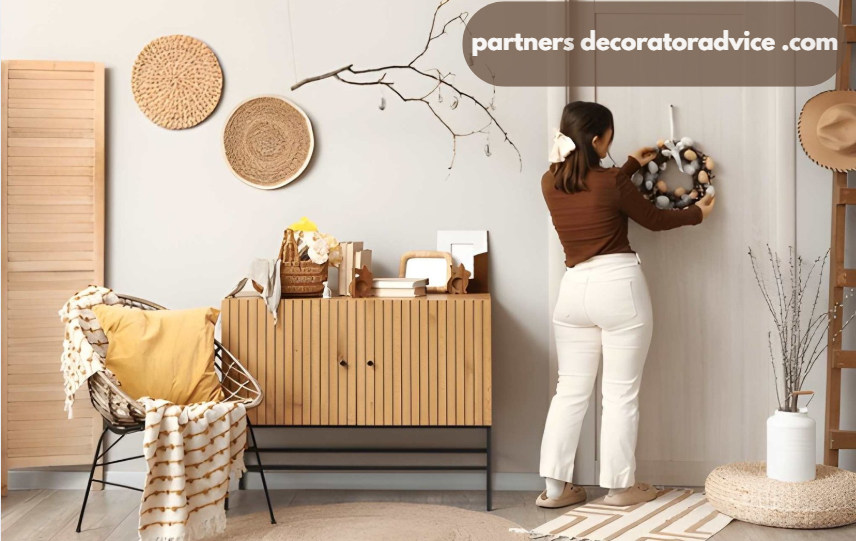
In the United States, home decoration has shifted in a really useful way. Nowadays, people don’t try to make their houses look like showroom displays. Most just want spaces that feel comfortable, easy to live in, and visually calm without being overdone.
The idea behind partners decoratoradvice .com is to keep things simple and realistic. Instead of overwhelming people with complicated design rules, it focuses on how real homes actually function day to day. That means thinking about comfort first, then style, not the other way around.
This guide brings together simple home decoration ideas that work in everyday life. You will see how layout planning, colors, lighting, furniture, and small personal touches can change the feel of a home without needing a big budget or professional help. This is not decorative philosophy; everything is intended to be useful and practical.
The role of partners decoratoradvice .com in practical design guidance
A lot of people get stuck when decorating their homes because there is too much advice online. One place says go minimal, another says add layers, and another pushes expensive styling. It becomes confusing fast.
partners decoratoradvice .com takes a more grounded approach. It focuses on what actually works in real homes, not what only looks good in photos. The idea is simple. A home should support your daily life first, and look good naturally as a result.
For instance, a sofa is more than just an attractive piece of furniture for a living room. It is where people relax, talk, or spend time with family. If it is uncomfortable or too large for the space, the whole room feels off no matter how stylish it looks.
This way of thinking also applies to layout. Instead of forcing furniture into corners just to fill space, the focus is on how people move through a room. When movement feels natural, the space automatically feels better.
You will find similar practical thinking in places like https//decoratoradvice.com where the focus stays on clarity instead of decoration overload.
In short, this approach is about making decisions that actually make daily life easier.
Understanding modern home decoration principles
Modern home decoration is becoming much more relaxed and practical. Instead of filling every empty space, people are now choosing fewer items that actually serve a purpose.
A big part of this is balance. When a room has too many colors, textures, or objects, it starts to feel heavy. But when things are chosen carefully, even a simple room can feel complete.
Another change is how homes are used. A living room is rarely just for sitting anymore. It might be used for working, relaxing, or even eating. That means the design has to stay flexible instead of fixed.
Natural light also plays a huge role. A bright room feels larger and more open even if nothing else changes. That is why many modern homes try to use daylight as much as possible before adding extra lighting.
Design ideas shared on decoratoradvice.com often highlight this same idea. Keep things simple, let the space breathe, and avoid overthinking decoration.
Planning room layout before decorating
Before buying anything for a room, layout should come first. It sounds simple, but many people skip it and later wonder why the space feels awkward.
Start by thinking about how the room will actually be used. A living room might need space for sitting, walking, and watching TV. A bedroom might need calm movement and easy access to storage.
The approach connected with partners decoratoradvice .com is to imagine the room empty first. This helps you see where people will naturally walk and where furniture should not block movement.
A common mistake is pushing everything against walls. It feels like it creates more space, but often it just makes the middle of the room feel empty and disconnected.
A better approach is to leave breathing room around furniture while still keeping the space grounded. When things are placed with intention, the room feels more natural to use.
Good layout always makes decoration easier later.
Color psychology in home interiors
Color has a stronger effect on mood than most people realize. It can make a room feel warm, cold, open, or tight depending on how it is used.
Most American homes lean toward neutral colors because they are easier to live with. Shades like beige, soft gray, and off white give a calm base that does not feel overwhelming.
The idea is not to overcomplicate color choices.One main tone with a few soft accents usually works better than mixing too many strong colors.
Lighting also changes everything. A color that looks soft during the day might look completely different at night. That is why it helps to test colors in real lighting instead of deciding quickly.
Accent walls can be useful, but only when used lightly. They should add interest, not take over the whole room.
When color is kept simple, the space feels more comfortable and lived in.
Furniture selection for style and function
Furniture is where most people make or break their home design. It affects both comfort and appearance at the same time.
In many homes today, people are choosing furniture that does more than one job. Storage beds, foldable tables, and modular seating are becoming very common because they save space and reduce clutter.
The thinking behind partners decoratoradvice .com is to choose furniture that fits the room properly instead of just picking what looks good in a store. Size matters more than style in many cases.
Material choice also changes how a room feels. Wood adds warmth, fabric makes things softer, and metal adds structure. When these are balanced, the room feels complete without needing extra decoration.
Good furniture should make life easier, not harder.
Lighting techniques used in professional design
Lighting can completely change the feel of a home without changing anything else.
Good design makes use of layers rather than a single powerful ceiling light.There is general lighting for brightness, task lighting for activities, and softer lighting for mood.
The approach encourages mixing these light types so the room feels flexible throughout the day.
Natural light is just as important. A room with good daylight always feels more open and fresh.
Warm lighting usually works better in living areas because it feels cozy, while cooler lighting is better for focus areas like desks.
When lighting is done right, even simple rooms feel more polished.Homeowners looking for fresh ideas often turn to the latest news decoratoradvice.com to stay updated on practical home styling trends and simple design improvements that fit everyday living.
Small space decoration strategies
Small spaces are not about adding more things. They are about using space smarter.
Vertical storage helps a lot because it keeps the floor clear. Shelves, wall units, and tall cabinets make a significant impact without requiring additional space.
The approach supported by partners decoratoradvice .com also suggests using furniture that can serve more than one purpose. That keeps things flexible and reduces clutter.
Light colors and mirrors can also help make a room feel more open than it actually is.
Budget friendly home transformation ideas
Improving a home does not always mean spending money.
Sometimes just moving furniture around changes how a room feels. Other times, changing cushions, curtains, or wall color is enough to refresh the space.
The idea is to start with what you already have. Small adjustments often create more impact than buying new items.
Textures and layering for depth
A room feels more alive when it has different textures instead of everything looking the same.
Soft items like rugs and cushions add comfort. Hard materials like wood and metal add structure. When combined, they create balance without effort.
Personal expression in modern interiors
A home should feel personal. It should reflect the people living in it, not just design rules.
Photos, art, or small meaningful objects bring life into a space.
The approach is to maintain balance so the home feels personal but still clean and not overcrowded.Many readers explore decoratoradvice .com home to find practical and easy to apply ideas for improving everyday living spaces without overcomplicating the design process.
Seasonal decoration updates for freshness
Small seasonal changes keep a home feeling fresh without much effort.
Light fabrics in summer and warmer textures in winter are simple ways to adjust the mood of a space.
Common design mistakes to avoid
Most design problems come from rushing decisions. Too much furniture, poor lighting, or ignoring room size can easily make a space feel uncomfortable.
The thinking behind partners decoratoradvice .com is simple. Plan first, buy later. That alone avoids most mistakes and keeps everything more consistent over time.