
Last updated: October 30, 2026
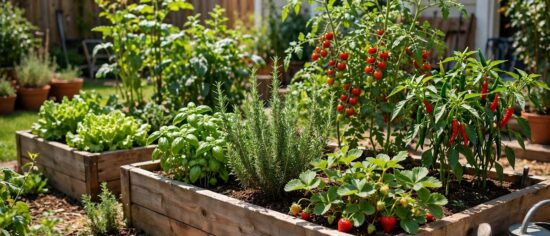
You do not need a farm, a greenhouse, or even a yard to grow food. A pot of basil on a sunny windowsill, a cherry tomato plant on a balcony, a strawberry pot by the back door — these small starts are the whole idea behind edible plants, and they ask for less time and skill than most beginners expect. This guide from Activemyhouse covers the easiest herbs, vegetables, and fruit to grow at home, the perennials that reward patience, and the safety notes every new grower should read first.
Key Takeaways
- Start with herbs and leafy greens. Basil, mint, rosemary, coriander, and lettuce forgive almost every beginner mistake.
- Mint always goes in a container. In open soil it spreads aggressively and will take over a bed — a real warning, not garden folklore.
- Perennials trade patience for payoff. Asparagus and rhubarb need 1–2 years to establish, then produce for years with very little work.
- Sun and drainage decide almost everything. Most edibles want 6+ hours of sun and well-drained soil with compost; containers must drain.
- Only eat the part you know is edible. Rhubarb leaves are toxic — stalks only — and raw elderberries can upset your stomach.
Easy Starter Herbs
Herbs are the classic first step: they grow fast, fit in pots, and one plant goes a long way since you harvest a little at a time.
Basil wants full sun and well-drained soil. Pinch off flower buds as they appear — once basil flowers, leaf production slows, but steady pinching keeps the leaves coming.
Mint is nearly indestructible, which is exactly the problem. It spreads through underground runners and colonizes a bed in one season, so the responsible advice is container-only. In its own pot, mint becomes one of the easiest plants you will ever grow.
Rosemary is the drought-tolerant one: full sun, soil that dries between waterings, and occasional pruning to shape. It hates wet feet more than cold, so drainage matters more than rich soil.
Coriander is the sprinter — sow in a pot about 8 inches deep, give it morning sun, and harvest in 30–40 days. It bolts in hot weather, so successive small sowings beat one big planting.
Vegetables That Pay Off Fast
Lettuce and leafy greens take partial shade to full sun and repay “cut and come again” harvesting: pick the outer leaves, leave the center growing, and the plant keeps producing. Sow a little every few weeks for salad all season.
Cherry tomatoes are the highest-yield beginner vegetable for containers. They thrive in pots with full sun and a stake or small cage; compact patio varieties fit a balcony. Consistent watering matters more than fertilizer.
Chillies may be the best value per square foot in the garden. They love pots in full sun, and one healthy plant can supply a household for months — especially dried. Like tomatoes, they want warmth and support.
Plant Once, Harvest for Years
Perennials ask for 1–2 years of patience, then produce with very little work for years.
Asparagus takes 2–3 years to establish from crowns, then a bed can produce for 20+ years. Plant it where you will not need to dig it up.
Rhubarb establishes in about 2 years, returns every spring, and does best in cold climates. The stalks are the harvest; the leaves are toxic (more below).
Garlic is plant-and-forget: push cloves in during fall, harvest the following summer.
Jerusalem artichokes give nutty tubers with near-zero care but spread along bed edges like mint — give them a contained corner, not prime bed space.
Walking onions replant themselves: bulbs form atop the stalks, the stalks flop over, and the bulbs root where they land.
Fruit for Small Spaces
Dwarf and compact varieties make fruit possible in containers — though all of them still need sun, since fruit is the plant’s energy investment.
Strawberries are the fastest fruit payoff for small spaces: pots, hanging baskets, or narrow beds. Dwarf berry bushes, currants (black or red), and dwarf gooseberries fit where full-size shrubs will not.
Bush cherries like ‘Carmine Jewel’ and ‘Juliet’ stay shrub-sized with real harvests. Dwarf plum and columnar apple grow up instead of out — a columnar apple can live in a large patio pot. Brown Turkey figs are among the most container-friendly fruit trees, especially against a south-facing wall that radiates heat and extends the season.
What Almost All of Them Need
Sunlight: at least 6 hours of direct sun a day for most herbs, vegetables, and fruit. Leafy greens are the honest exception — they produce in partial shade. A shady courtyard can still grow salad, but it will not ripen tomatoes.
Soil: well-drained soil enriched with compost. Containers need lightweight potting mix, not heavy garden soil, and every pot needs drainage holes — no plant on this list tolerates sitting in water.
Space awareness: south-facing walls radiate heat and stretch the season (figs and tomatoes love them). Rooftop and balcony growers should check building weight limits before hauling up big containers of wet soil. Windowsill only? Start with herbs — the one category that truly fits there.
Which Edible Fits Your Space?
| Edible | Why It Works for Beginners | Source |
|---|---|---|
| Coriander | Ready to snip in 30–40 days from a pot about 8 inches deep | Insider Guides |
| Mint | Fast-growing and forgiving — but container only, it spreads aggressively | Thrive Lot |
| Basil | Pinch the flower buds and the leaves keep coming all season | Thrive Lot |
| Lettuce and leafy greens | Harvest the outer leaves and the plant keeps producing | Nature Hills |
| Cherry tomatoes | Thrive in pots with full sun and a stake for support | Nature Hills |
| Chillies | One plant can supply a household for months, fresh or dried | Thrive Lot |
| Garlic | Plant cloves in fall, harvest the following summer | Insider Guides |
| Rhubarb | Establishes in 2 years, then returns every spring — stalks only | Insider Guides |
| Asparagus | Takes 2–3 years to establish, then produces for 20+ years | Thrive Lot |
| Walking onions | Self-planting bulbs that multiply on their own | Insider Guides |
Safety Notes: Read Before You Eat Anything
One non-negotiable rule: only the identified edible part is edible.
Rhubarb leaves are toxic. The stalks are food; the leaves contain oxalic acid at levels that cause serious poisoning. Never cook or juice the leaves, and keep them from children and pets.
Raw elderberries can upset your stomach. Cooked elderberries are a traditional food, but raw ones can cause nausea and digestive distress. Cook them before eating — no exceptions.
Never eat a plant based on a photo match. Edible plants have poisonous lookalikes, and a phone photo cannot confirm an ID. If you did not plant it yourself from labeled seed, do not eat it.
Nothing here is medicine. This article makes no health claims, and none of these plants should be treated as remedies. Grow them for food and flavor — that is plenty.
Frequently Asked Questions
Can I grow edible plants indoors on a windowsill?
Herbs, yes — basil, mint, rosemary, and coriander do well on a bright windowsill with several hours of direct sun. Fruiting plants like tomatoes and chillies need more light than most windows give; without it they grow leggy and bear little.
How much sun do edible plants really need?
Six or more hours of direct sun a day for most herbs, vegetables, and fruit. Leafy greens are the honest exception and produce in partial shade. When in doubt, use your sunniest spot.
Is mint really that invasive?
Yes. It spreads by underground runners and takes over a bed in one season — normal growth habit, not folklore. A pot with drainage is the entire solution.
Which edible plants come back every year?
Asparagus, rhubarb, Jerusalem artichokes, and walking onions are true perennials here. Strawberries and many herbs act as perennials in mild climates. Garlic is planted in fall, harvested the next year, then replanted.
Are rhubarb leaves really poisonous?
Yes — high oxalic acid, serious poisoning risk. Eat the stalks only and discard leaves where children and pets cannot reach them.
Conclusion
The best edible plants for a beginner are the forgiving ones: herbs that bounce back from neglect, leafy greens harvested a little at a time, cherry tomatoes and chillies that turn a sunny pot into a grocery run, and — if you can wait a season or two — perennials like asparagus and rhubarb that pay back for decades. Give them sun, drainage, and compost, keep the mint in its pot, and remember the rule that matters most: eat only the part you know is edible. If this guide helped you start, share these edible plants with a friend who keeps saying they have a black thumb.