
Last updated: October 26, 2026
In Hispanic culture, flowers carry meaning far beyond decoration: they mark remembrance, celebration, and family ties, and the best-known example is the marigold of Día de los Muertos. This guide explains what hispanic flowers mean, why the cempasúchil matters so much, and how traditions vary from country to country.
Key Takeaways
- Cempasúchil, the Mexican marigold, is the most documented flower of meaning in Hispanic culture, standing at the center of Día de los Muertos on November 1–2.
- Its bright orange and yellow color and strong scent are said to guide spirits back to their ofrendas.
- Marigold petals are scattered to form paths leading to altars and graves.
- Ofrendas also hold photos, favorite foods, candles, and mementos, so flowers are one part of a larger act of remembrance.
- Flower customs vary by country and family, so Mexican traditions should not be presented as the practice of every Latino culture.
What Do Flowers Mean in Hispanic Culture?
In Hispanic culture, flowers work as a language: a bloom placed on an altar or a grave says this person is remembered, this family is still together, this day matters.
That meaning shows up most clearly in remembrance, when flowers mark the bond between the living and the dead — and in celebration, when families gather. The two moods sit side by side, and the same flower can carry both.
The best-documented example is the cempasúchil, the Mexican marigold, which anchors the flower traditions of Día de los Muertos. Other countries and families have their own customs — but this article sticks to what is documented rather than guessing at a list for every country.
Garden writing on Activemyhouse often starts with how a plant grows. Here the meaning comes first, because for these flowers the meaning is the point.
Why Is the Marigold So Important on Day of the Dead?
The marigold matters because Día de los Muertos asks the dead to return, and the cempasúchil is the flower said to show them the way.
Cempasúchil is Tagetes erecta, the Mexican marigold, named from the Nahuatl words for “twenty flowers” after the dense ring of petals on each bloom. During Día de los Muertos, November 1–2, homes and cemeteries fill with these flowers.
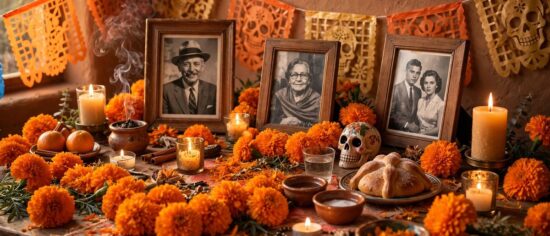
The color carries the first part of the meaning: the blooms are a deep orange and yellow, the colors of the sun, standing for light, warmth, and life itself. The scent carries the second part — the strong, sharp smell is said to lead spirits back to the ofrendas and the graves of the people they belonged to.
The petals are used with intent, not scattered at random:
- Families lay a path of petals from the street or front door to the ofrenda inside the home.
- They ring the ofrenda with blooms, framing the altar in orange.
- They lay flowers on graves in the cemetery, marking each resting place in color.
Beyond the festival, the cempasúchil has a long history in traditional medicine, used for digestive troubles, breathing complaints, and fevers and colds. That is traditional use, not medical advice, and this article does not recommend it as treatment.
| Flower / Element | Meaning or Role | Tradition | Source |
|---|---|---|---|
| Cempasúchil blooms | Guide spirits; remembrance | Mexican Día de los Muertos | Kew |
| Marigold petals | Form paths to altars and graves | Mexican Día de los Muertos | WeDigSkulls |
| Orange and yellow color | Sun, light, warmth | Mexican Día de los Muertos | Kew |
| Strong marigold scent | Said to lead spirits to ofrendas | Mexican Día de los Muertos | WeDigSkulls |
What Is an Ofrenda?
An ofrenda is an altar built to welcome the dead home for Día de los Muertos, in houses and cemeteries, with every item chosen for the person being remembered.
The ofrenda holds photographs of the dead, their favorite foods and drinks, candles, and small mementos. Flowers sit among these things, and the marigold is usually the most visible of them all. The candles add their own light, and the food and drink invite the dead to sit and stay a while.
An ofrenda is not a decoration. It is a place set for someone who is gone and, for two days a year, treated as present again, with the flowers part of that welcome, not an afterthought.
Do Flower Meanings Vary Across Latino Countries?
Yes. “Hispanic” covers many countries, and flower customs change from one to another and from one family to the next, so a tradition central in Mexico is not automatically the tradition in every Latino home.
Día de los Muertos itself is a Mexican tradition, and its flower customs belong to Mexico first. Other countries mark remembrance in their own ways, with their own flowers, dates, and practices.
That is why this article names Mexico wherever a claim is Mexican: a pan-Latino flower list would be easier to write and harder to defend, so this guide stays with the best-documented example.
How Are Flowers Used in Family Celebrations?
Flowers in Hispanic family life mark the two poles of gathering: remembrance and celebration. The household that builds an ofrenda in November also gathers around food, music, and stories, and flowers are part of both.
On Día de los Muertos, the mood is reunion rather than only grief: families eat together, tell stories about the dead, and keep the altar tended, with marigolds framing the gathering in color.
The key idea is continuation: death is treated as a change in the relationship, not its end, and the flowers are a sign that the bond is still tended. That is why the marigold’s colors are the colors of the sun — the festival is about light and warmth returning with the dead.
Using Marigolds Respectfully Outside the Tradition
Marigolds are common garden flowers, and growing or buying them needs no special occasion. The question is what they mean when used as symbols rather than as plants.
Using marigolds as decoration is one thing; presenting them as Day of the Dead symbols — on an altar, at a themed party, in a display — is another, because then they carry the weight of remembrance. The respectful move is simple: learn what the flower means first.
The same care applies to the line between mourning and celebration. A marigold on a grave and a marigold at a family gathering are the same flower, but the setting gives it its meaning.
Frequently Asked Questions
What is the most important flower in Hispanic culture?
The cempasúchil, or Mexican marigold, is the best-documented flower of meaning, standing at the center of Día de los Muertos, where its color and scent are said to guide spirits to the ofrendas.
What does cempasúchil mean?
The name comes from the Nahuatl words for “twenty flowers,” after the dense ring of petals on each bloom, and in the Day of the Dead tradition the flower stands for the sun, light, warmth, and remembrance.
When is Day of the Dead?
Day of the Dead, or Día de los Muertos, is observed on November 1–2, when families build ofrendas, visit cemeteries, and lay marigold petals to guide the dead home.
What goes on an ofrenda besides flowers?
An ofrenda holds photographs, favorite foods and drinks, candles, and mementos of the person remembered, and the marigold is usually the most visible flower on the altar.
Do all Hispanic countries celebrate Day of the Dead the same way?
No. Día de los Muertos is a Mexican tradition, and flower customs vary by country and family, so a Mexican practice should not be presented as the custom of every Latino culture.
Are marigolds only for Day of the Dead?
No. Marigolds are common garden flowers used all year, taking on their special meaning during Día de los Muertos, when their color and scent are tied to guiding spirits home.
Conclusion
Flowers in Hispanic culture are a language of remembrance and reunion, and the marigold speaks it most clearly. When you understand what hispanic flowers mean, a bloom stops being decoration and becomes a welcome: light, warmth, and a path home for the dead.