
Last updated: October 26, 2026
Mexican flowers range from the dahlia, Mexico’s national flower, to the marigolds of Día de los Muertos and the poinsettias of Christmas. These native blooms bring bold color and a long growing season to a US garden, and most of them are easy to grow once you know their needs.
Key Takeaways
- The dahlia is Mexico’s national flower, declared in 1963, and it was first cultivated by the Aztecs.
- Cempasúchil, the Mexican marigold, is the flower of Día de los Muertos — but it is not the national flower.
- The poinsettia, a classic Christmas plant, is indigenous to Mexico and Central America.
- Most Mexican flowers need full sun, warm soil, and planting after the last frost.
- Mexican petunia is a Category 1 invasive in Florida, so it should not be planted there.
What Is Mexico’s National Flower?
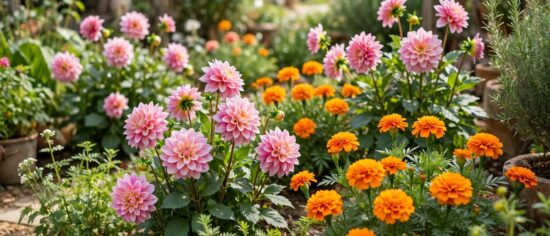
Mexico’s national flower is the dahlia, declared in 1963 by President Adolfo López Mateos. The flower is native to Mexico and Central America, and it has been part of Mexican life for centuries.
The Aztecs cultivated dahlias long before Europeans arrived, and they even ate the tubers as food. Today the dahlia stands for dignity, resilience, and elegance.
Dahlias come in nearly every color except true blue, from small bedding types to dinner-plate varieties over four feet tall.
Which Mexican Flowers Grow Best in a US Garden?
The easiest Mexican flowers for a US garden are dahlias, Mexican marigolds, zinnias, Mexican sunflowers, and poinsettias grown as seasonal plants. They all share a love of sun and warmth, and they reward a gardener who waits until the soil is warm.
The table below gives a quick way to compare the main choices.
| Flower | Native To | Best For | Source |
|---|---|---|---|
| Dahlia | Mexico and Central America | Summer color, cutting beds | Kew |
| Cempasúchil (Mexican marigold) | Mexico | Autumn color, pollinator beds | StudyCountry |
| Poinsettia | Mexico and Central America | Winter color, seasonal pots | Kew |
| Mexican sunflower | Mexico | Tall back borders, butterflies | StudyCountry |
| Bougainvillea | South America, long grown in Mexico | Warm walls and courtyards | Kew |
Choose by your climate first. Dahlias and marigolds suit almost every US zone as summer annuals. Bougainvillea belongs only in warm zones or in a container that moves indoors for winter. Plant guides on Activemyhouse sort flowers the same way, by what suits your climate rather than by what looks prettiest in a photo.
How Do You Grow Dahlias?
Dahlias grow from tubers planted in spring, after the last frost, in full sun and well-drained soil. They are not hard to grow, but they do need a little attention at planting time and in autumn.
Follow these steps for a reliable first season:
- Wait until the soil is warm and all frost danger has passed, then plant the tubers about 4 to 6 inches deep.
- Give each plant room to grow — about 18 inches apart for small types and up to 3 feet for tall ones.
- Water deeply once a week rather than lightly every day, so the roots grow down.
- Pinch out the growing tip when the plant is about a foot tall to encourage branching.
- Stake tall varieties early, before they lean or flop in wind and rain.
- Deadhead spent blooms through the summer to keep new flowers coming.
In zones colder than zone 7, dahlias cannot survive winter in the ground. Dig the tubers after the first frost, brush off the soil, and store them in a cool, dry place at 35–50°F until spring. That one habit turns a dahlia from a one-season plant into one you keep for years.
What About Cempasúchil and Poinsettias?
Cempasúchil and poinsettias are the two Mexican flowers most tied to holidays, and each one has a clear role. Cempasúchil, the Mexican marigold, is the flower of Día de los Muertos, the Day of the Dead on November 1–2. Its bright orange and yellow petals decorate ofrendas, the altars built for the dead, and are scattered on graves and along paths said to guide spirits home. Its Nahuatl name, cempoalxóchitl, means “twenty flowers.”
How to Grow Cempasúchil
Cempasúchil is easy to grow from seed in a sunny spot, flowering from summer into autumn. It tolerates heat and poor soil better than most flowers, which is why it is a garden staple across Mexico.
Do not mistake cempasúchil for the national flower. That title belongs to the dahlia alone, and the two flowers play very different roles: the dahlia is the country’s symbol, while cempasúchil is the flower of a festival.
How to Grow Poinsettias
The poinsettia is indigenous to Mexico and Central America, though most US gardeners know it only as a Christmas plant in a pot. In warm zones it can grow into a large shrub outdoors; elsewhere, treat it as a seasonal indoor plant with bright light, no cold drafts, and soil that dries slightly between waterings.
Which “Mexican” Flowers Should You Avoid Planting?
Mexican petunia is the one “Mexican” flower to avoid, despite the name. It is a Category 1 invasive in Florida, where it spreads by creeping roots and pushes out native plants. Gardeners in Florida and other warm, wet regions should not plant it at all.
What to Plant Instead
Marigolds and zinnias give the same bright, heat-loving color without the invasive risk. Both are easy from seed, flower all summer, and suit borders, containers, and cutting beds. Zinnias also attract butterflies, and marigolds are often used as companion plants in vegetable gardens.
A plant’s common name tells you where it comes from, not whether it behaves well in your garden. Check a local invasive list before planting anything that spreads by runners or roots.
Growing Mexican Flowers in Cold Zones
Cold zones are the one edge case where Mexican flowers need a different plan. Most of these plants come from warm climates, so a short northern summer still works — but only if you start early and protect tender types.
Start dahlias indoors a few weeks before the last frost, in pots under a bright window, and move them out only when nights stay warm. Grow bougainvillea in a large container and bring it indoors before the first frost. Marigolds and zinnias grow fast enough from direct seed that they need no head start at all.
Frequently Asked Questions
What is the national flower of Mexico?
The dahlia is Mexico’s national flower, declared in 1963. It is native to Mexico and Central America and was first cultivated by the Aztecs.
Is the marigold Mexico’s national flower?
No, the marigold is not Mexico’s national flower. The Mexican marigold, cempasúchil, is the flower of Día de los Muertos, while the dahlia holds the national title.
Can I grow Mexican flowers in the US?
Yes, most Mexican flowers grow well in the US as long as they get full sun and warm soil. Plant them after the last frost and treat tender types like dahlias as annuals or lift the tubers in autumn.
When should I plant dahlias?
Plant dahlia tubers in spring, after the last frost, when the soil is warm. In zones colder than zone 7, dig the tubers after the first frost and store them at 35–50°F until spring.
What is cempasúchil used for?
Cempasúchil is used in Día de los Muertos celebrations on November 1–2. Its petals decorate ofrendas and graves and are scattered along paths said to guide spirits home.
Is Mexican petunia safe to plant?
Mexican petunia is not safe to plant in Florida, where it is a Category 1 invasive. It spreads by creeping roots, so plant marigolds or zinnias instead.
Conclusion
The best of mexican flowers combine bold color with a story worth knowing: the dahlia as a national symbol, cempasúchil as the flower of remembrance, and the poinsettia as a Mexican native that became a Christmas classic. Plant them after the last frost, give them sun and room, and skip the one invasive name on the list — the rest will reward you all season.