
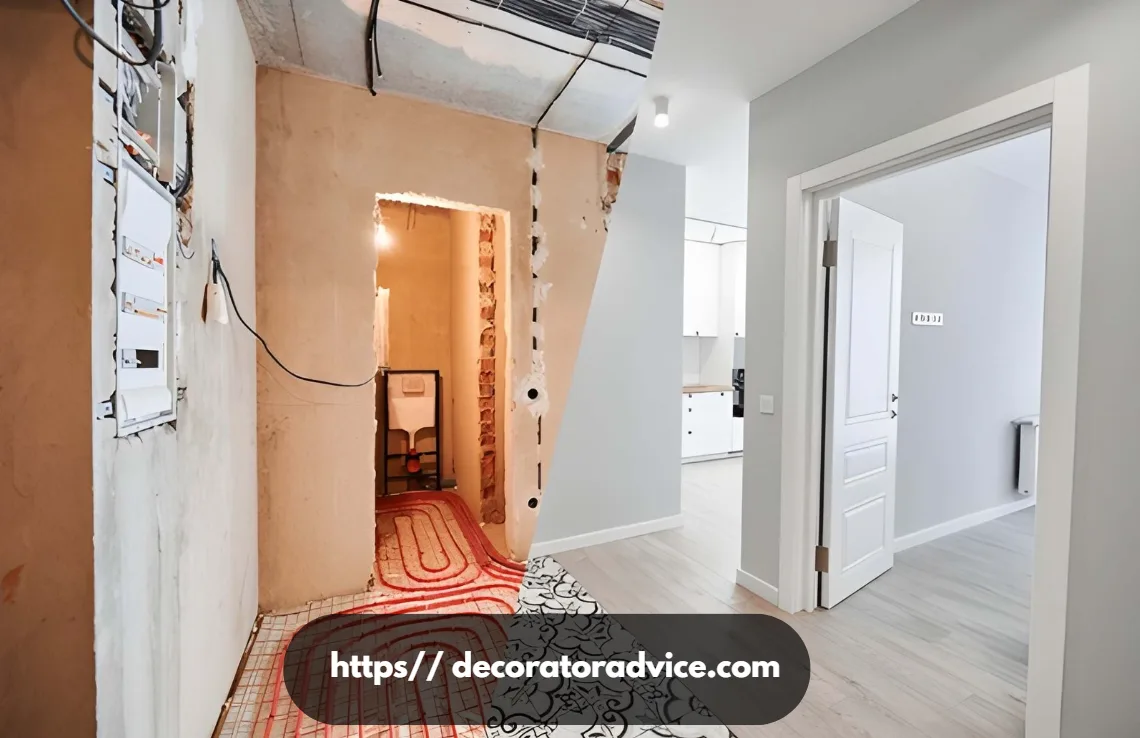
Good spaces feel calm. They work without trying too hard. Many homes look fine but still feel off. The flow feels wrong. The light feels weak. The layout does not support real life. That is where https// decoratoradvice.com becomes useful. It focuses on smart choices that actually help people live better at home. You may also see it written as https//decoratoradvice.com, but the idea stays the same.
This article explains how https// decoratoradvice.com approaches home design in a clear and simple way. It covers planning a space. It explains how light shapes mood. It talks about furniture that fits daily life. It shows how small changes can fix common problems. The goal is not style for show. Long-lasting comfort is the aim.
In the US, people frequently desire houses that are intimate without being dirty. They want rooms that work for work and rest. They want ideas they can afford and understand. decoratoradvice com speaks to that need. It avoids trends that fade fast. It focuses on basics that stay useful.
You will read about layout choices. You will learn how color affects space. You will see how storage changes everything. Each section shares practical thinking drawn from real homes. Nothing here is copied. Everything is written to help people make better spaces without stress.
Understanding the real purpose of a space
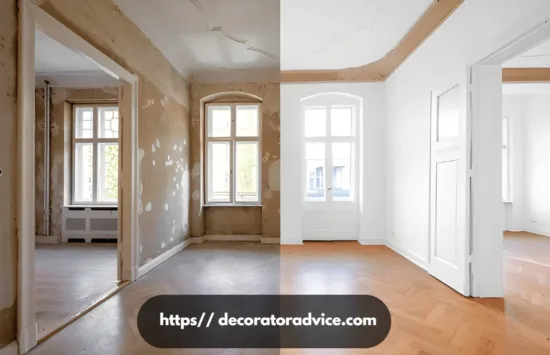
Every room has a job. Problems start when that job is unclear. A living room becomes cluttered when it tries to do too many things at once. A bedroom feels tense when it doubles as an office without boundaries. https// decoratoradvice.com starts with purpose before style. This idea is central to about decoratoradvice .com and how it guides readers.
A room used for rest needs fewer visual distractions. Softer lighting helps the body slow down. A space used for work needs clearer surfaces and direct light. Mixing these needs without planning leads to discomfort. Many US homes face this issue due to open layouts.
Smart design means choosing one main purpose and supporting it. Extra functions should feel secondary. A desk in a bedroom should feel temporary. A reading corner in a living room should feel calm. https// decoratoradvice.com pushes this mindset because it prevents regret later.
When people define purpose first, they buy less and choose better. They stop filling rooms with things that fight each other. The space starts to feel intentional and easier to live in.
How layout affects daily movement
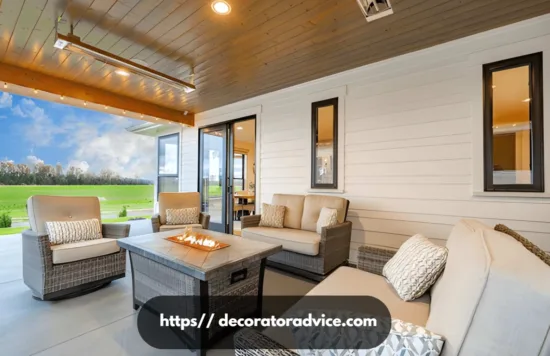
Layout shapes behavior. Tight walkways create tension. Blocked paths cause frustration. Many homes have enough space but poor flow. https// decoratoradvice.com often highlights this problem when discussing decoratoradvice .com home planning.
Furniture should guide movement, not block it. Chairs pushed against walls do not always create openness. Sometimes pulling furniture inward improves flow. This goes against what many people think.
In US homes large sofas are common. They often overpower rooms. Choosing scale over size changes everything. A slightly smaller sofa with space around it feels more welcoming. The room breathes better.
Door swings and traffic paths matter. People bump into tables because layouts ignore movement. https// decoratoradvice.com encourages walking through a room mentally before placing anything. This simple habit prevents many issues.
Good layout supports real life. Kids move fast. Pets roam. Guests need space. Design should allow this without constant adjustment.
Light as a foundation not an afterthought
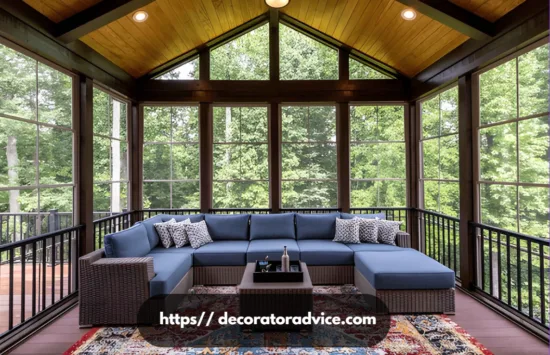
Light changes how a room feels more than color or decor. Natural light affects mood and energy. Artificial light affects comfort at night. https// decoratoradvice.com treats lighting as a base layer and often explains this in the decoratoradvice .com about sections.
Many homes rely on one ceiling light. This creates harsh shadows. It flattens the room. Better spaces use layers of light. Floor lamps add warmth. Table lamps soften corners. Task lights support function.
Window treatment also matters. Heavy curtains block light even when open. Sheer layers keep privacy without darkness. In many US homes windows face neighbors closely. Light control becomes key.
Warm light suits living areas. Cooler light suits work zones. Mixing temperatures without thought creates visual noise. https// decoratoradvice.com stresses consistency because it keeps spaces calm.
Light should match the time of day. Evening light should help the body relax. This idea often gets ignored, but it matters deeply.
Choosing color that supports comfort
Color affects emotion. Loud colors energize. Soft colors calm. The problem comes when color choices follow trends instead of needs. https// decoratoradvice.com avoids trend driven palettes and explains this clearly in about us decoratoradvice .com style guidance.
Neutral does not mean boring. It means flexible. Warm neutrals feel inviting. Cool neutrals feel clean. The right one makes it feel safe.
Accent colors work best when limited. One strong color in a room often feels enough. Multiple accents fight for attention. This creates visual stress.
In US homes, open plans spread color quickly. A bold choice in one area affects the whole space. https// decoratoradvice.com reminds readers to think beyond one room.
Paint is powerful but not magic. Color works best when paired with good light and layout. Without those, it cannot fix deeper issues.
Furniture that fits real life
Furniture should serve people, not impress them. Oversized pieces look good in photos but fail in daily use. https// decoratoradvice.com focuses on fit and function and often compares ideas seen on decoratoradvice.com.
Seat depth matters. Too deep feels uncomfortable for many people. Table height affects posture. Storage furniture should open easily and hold what people actually own.
Many US households buy sets instead of individual pieces. This often leads to a mismatch with the room. Choosing furniture one piece at a time leads to better results.
Multi-use furniture helps smaller homes. A bench with storage solves seating and clutter. A table that expands supports gatherings without crowding daily life.
Comfort comes from proportion. When furniture fits the body and the room, life feels easier. This is a core idea shared by decoratoradvice.
Storage as a design tool
Clutter hides good design. Storage fixes this. It does not need to be hidden. It needs to be planned. https// decoratoradvice.com treats storage as part of design not an extra and often highlights examples shared by decoratoradvice .com partners.
Open storage shows personality. Closed storage creates calm. Both have value. The balance depends on lifestyle. Busy households often need more closed space.
Vertical storage uses walls better. Shelves placed too high become useless. Storage should stay within reach. This sounds obvious, yet many homes ignore it.
Entryways matter more than people think. Without storage near the door clutter spreads fast. Shoes, bags, and mail pile up. Simple solutions change daily stress levels.
Good storage reduces cleaning time. It also makes rooms feel larger. https// decoratoradvice.com often points out that space feels bigger when it is organized.
Creating comfort through texture
Texture adds warmth. Hard surfaces alone feel cold. Soft elements absorb sound and light. https// decoratoradvice.com uses texture to improve comfort and shares ideas often seen in the latest decoratoradvice .com updates.
Rugs define space and soften floors. Curtains add movement. Cushions add support. These details matter more than decoration.
Mixing textures creates depth. Smooth next to rough feels balanced. Too many similar textures feel flat.
In US homes with open plans, texture helps separate zones. A rug under seating marks the living area. A runner defines a hall.
Texture also affects acoustics. Soft surfaces reduce echo. This makes conversations easier. Comfort is more than just appearance. It’s tangible.
Personal style without clutter
Personal style should feel lived in, not staged. Photos, art, and objects tell stories. The issue comes when everything is displayed. https// decoratoradvice.com supports editing and often references ideas found in decoratoradvice .com about content.
Displaying fewer items gives each one space. Rotating items keeps the home fresh without buying more. This approach feels sustainable.
Wall art placement matters. Hanging too high breaks connection. Art should relate to furniture and people, not ceilings.
Personal items belong where life happens. A photo in a hallway might go unnoticed. The same photo near seating feels meaningful.
Style comes from choices, not volume. This idea repeats across https// decoratoradvice.com content because it works.
Making small spaces feel better
Small spaces need clarity. Too many ideas overwhelm them. https// decoratoradvice.com often helps people rethink small rooms and shares guidance similar to the latest news decoratoradvice.com discussions.
Light colors help but layout matters more. Removing one extra piece can change everything. Empty space is not wasted space.
Mirrors help reflect light, but placement matters. Facing clutter doubles the problem. Facing light improves the room.
Consistent materials create flow. Mixing too many finishes in a small area feels busy. Simplicity feels larger.
Many US apartments face this challenge. Smart planning matters more than budget. This message runs through https// decoratoradvice.com guidance.
Designing for long-term use
Trends fade. Life changes. Good design adapts. https// decoratoradvice.com encourages thinking beyond the moment.
Neutral foundations allow easy updates. Furniture that moves easily supports change. Storage that adjusts supports new needs.
Homes evolve with people. Kids grow. Work habits shift. Design should allow this without starting over.
Durability matters. Materials should age well. Easy care matters more than perfection.
Long term thinking saves money and stress. It creates homes that feel stable. This is a key reason people trust https// decoratoradvice.com for guidance.
Why simple ideas often work best
Complex design often fails. Simple ideas last. Clear layouts. Good light. Comfortable furniture. Thoughtful storage. These basics work everywhere.
https// decoratoradvice.com focuses on these ideas because they help real people. They fit US homes of many sizes. They respect budgets. They respect daily life.
Better spaces do not need constant updates. They need understanding. When people know why a choice works, they feel confident.
This article covered how purpose layout light color furniture storage texture and long term thinking shape a home. Each part connects. Together they create spaces that feel right.
https// decoratoradvice.com stands for clarity and usefulness. It proves that better spaces come from smarter thinking not louder style.