
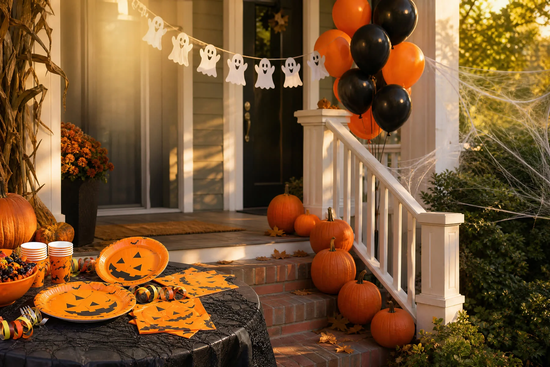
Halloween is a magical time of year filled with creative costumes, festive decorations, and the joyous laughter of neighborhood children eager for sweet treats. However, for homeowners with a stepped front entrance, a narrow walkway, or a small porch, preparing for the influx of little ghouls and goblins can present a unique set of challenges. When your home features multiple stairs or limited space, navigating the path to your front door can become difficult and potentially unsafe for small children wearing cumbersome costumes and masks.
Planning your Halloween strategy early in September is the perfect way to ensure you have plenty of time to adjust your layout, purchase necessary supplies, and create an inviting atmosphere before the big night arrives. By taking a proactive approach, you can transform your challenging entrance into a welcoming, accessible, and spectacular treat station. This comprehensive guide will explore how you can make a stepped front entrance welcoming for trick-or-treaters, focusing extensively on safety, accessibility, and vibrant festive cheer. We will cover everything from strategic lighting and clear pathways to creative decoration placements that do not overcrowd your space, ensuring this Halloween is a remarkably memorable and thoroughly enjoyable experience for everyone involved.
Preparing the Foundation of Your Walkway
Before you can begin placing festive decorations or setting up an accessible treat station, you must evaluate the foundational elements of your property’s exterior. This involves taking a critical look at the cleanliness and structural integrity of your driveway, narrow walkways, and the steps leading up to your home. Over the spring and summer months, dirt, grime, algae, and slippery moss can accumulate on these concrete or stone surfaces, creating significant slip-and-fall hazards for excited children running in the dark.
To create the safest possible environment for your visitors, it is highly recommended to invest in professional cleaning services. Utilizing Youngstown pressure washing for driveways and adjacent walkways ensures that all hazardous, slippery buildup is entirely eradicated well before Halloween. A thoroughly cleaned surface not only significantly enhances the curb appeal of your home but also provides a pristine, high-traction canvas for the rest of your festive preparations, setting a safe stage for the evening.
Once the surfaces are impeccably clean, the next vital step in preparation involves conducting a thorough structural assessment of the stairs and narrow paths themselves. Walk the route multiple times during the day and again at night to identify any loose bricks, wobbly handrails, uneven concrete slabs, or unexpected dips in the pathway that could easily trip a child wearing a bulky costume.
If you discover any areas of concern, early September is the ideal time to complete necessary repairs, such as securing handrails firmly into their brackets, patching cracks in the concrete, or leveling out uneven paving stones. Additionally, take this opportunity to trim back any overgrown bushes, low-hanging tree branches, or thorny shrubs that might encroach on the walkway or snag delicate costume fabrics. Ensuring an unobstructed, physically sound path is the cornerstone of a successful and stress-free Halloween night for both you and your community’s enthusiastic trick-or-treaters.
Choosing a Reachable and Safe Treat Station
For homes with a steep set of stairs or an exceptionally narrow front porch, forcing trick-or-treaters to climb all the way to the front door is often a recipe for congestion and potential accidents. Instead of clustering everyone on a cramped landing, the most effective strategy is to relocate the primary treat station to the base of the stairs or onto the freshly cleaned driveway.
Setting up a decorated folding table at the bottom of the steps completely eliminates the need for children to navigate the stairs in the dark, drastically reducing the risk of falls and making your home instantly accessible to everyone, including those with mobility challenges or strollers. This approach also allows you to interact more freely with the visitors, admiring their costumes up close without the awkwardness of peering down a long flight of stairs, fostering a much more engaging and welcoming neighborhood atmosphere.
When designing this relocated treat station, think about how to make it both highly visible and irresistibly festive from the street level. Utilize a sturdy, weather-resistant table draped in a themed tablecloth—perhaps a classic black-and-orange check or a spooky spiderweb lace overlay—anchored securely so it will not blow away in crisp autumn winds. You can flank the station with large, heavy decorations like straw bales, corn stalks, or oversized, battery-operated jack-o’-lanterns that establish a clear, inviting focal point without creating trip hazards.
By pulling the action away from the structural bottlenecks of your property, you naturally encourage a smooth, continuous flow of foot traffic. Children can easily approach, receive their candy, and move along to the next house without bumping into the group coming up behind them, making the entire trick-or-treating process vastly more efficient and enjoyable for the bustling crowds of the evening.
Keeping the Route Clear and Unobstructed
Maintaining a remarkably clear and unobstructed route is absolutely crucial when managing a narrow walkway or a complicated stepped entrance during Halloween. The natural temptation is to line every square inch of the path with tombstones, skeletal arms reaching from the dirt, and various spooky animatronics to maximize the scares.
However, these items rapidly transform a narrow pathway into a dangerous obstacle course, especially for children whose vision is severely restricted by masks or face paint. Instead of placing decorations directly on the walking surface, utilize the adjacent lawn, garden beds, and vertical spaces to display your festive spirit. Reserve the actual paved walkway exclusively for foot traffic, ensuring a generous width that can accommodate at least two people passing each other comfortably. This disciplined approach to spatial management guarantees that the journey to your treat station remains safe, fluid, and free from unexpected, ankle-twisting surprises in the dark.
To further define the safe walking path and subtly guide the trick-or-treaters precisely where you want them to go, consider using low-profile, non-intrusive boundary markers. Simple garden flags featuring friendly ghosts, small, flush-to-the-ground solar lights, or even a line of brightly painted pumpkins set well back from the edge of the concrete can effectively outline the designated route.
If your property requires visitors to cross a portion of the lawn to reach your driveway treat station, mapping out a clear trajectory prevents them from trampling your delicate landscaping or tripping over hidden sprinkler heads. Clear signage can also be remarkably helpful; a charming, hand-painted wooden sign reading “Treats This Way!” with a large, unmistakable arrow directs the flow of traffic instantly, removing any confusion for approaching groups and maintaining a steady, organized procession throughout the busiest hours of the Halloween celebration.
Placing Strategic Lighting Where Visitors Need It Most
Adequate lighting is arguably the single most important safety feature you can implement when preparing a stepped or narrow entrance for Halloween visitors. The goal is to brilliantly illuminate the walking surfaces to prevent accidents without completely destroying the carefully cultivated, spooky ambiance of the holiday. Harsh, blinding floodlights might make the area safe, but they also wash out your intricate decorations and ruin the mysterious atmosphere. Instead, focus on directed, intentional lighting solutions that highlight potential hazards.
If trick-or-treaters must use your stairs, installing temporary LED step lights on the risers is a fantastic, inexpensive solution that instantly clarifies the elevation changes. Alternatively, placing weighted, glowing luminarias on the extreme outer edges of each step provides excellent visibility while contributing a beautiful, flickering, and distinctly autumnal glow that enhances the overall aesthetic appeal of your home’s exterior design.
In addition to step lighting, it is critical to address the illumination of the main walkway and the treat station itself. Draping orange or purple string lights along the handrails not only draws attention to the support structures but also casts a soft, colorful light down onto the path. When setting up lighting, absolutely avoid running extension cords across any areas where children will be walking.
Trip hazards from thick electrical cords are completely unacceptable; rely heavily on battery-operated or solar-powered lighting options whenever possible to eliminate this risk entirely. For the treat station, consider a battery-powered lantern or a directional spotlight that casts a warm, welcoming glow directly onto the candy bowls, ensuring the children can easily see the treats they are selecting while keeping the surrounding yard appropriately shadowed for maximum dramatic effect and festive atmosphere.
Decorating Without Overcrowding the Porch
When dealing with a small porch or a restricted entryway, adopting a vertical approach to your Halloween decorating is the smartest way to maximize visual impact without sacrificing precious square footage. Rather than cluttering the floor space with bulky props, direct your creative energy upward. Hang cascading, realistic-looking spiderwebs from the porch eaves, suspend glowing, floating witch hats from the ceiling using clear fishing line, or frame the front door with an elaborate, oversized garland made of artificial autumn leaves and miniature skulls.
Utilizing the overhead and wall spaces draws the eye up, creating a spectacular and immersive environment while keeping the ground entirely clear for safe passage. This vertical strategy is especially important if you still plan to use your front door for giving out candy, as it ensures there is plenty of room for groups to gather, receive their treats, and turn around safely.
Another highly effective method for decorating a crowded or stepped entrance is to make extensive use of the existing architectural features, particularly the porch railings and stair banisters. Wrapping these structures tightly with thick, textured materials like creepy cloth, faux barbed wire, or intertwined vines adds immense character without encroaching on the walkable width of the stairs. You can securely attach lightweight, poseable skeletons or oversized, hairy spiders to the exterior sides of the railings, making them look as though they are actively climbing the structure.
If you absolutely must have jack-o’-lanterns on a narrow porch, consider placing them on sturdy, elevated plant stands tucked tightly into the corners, far away from the flow of traffic. By thoughtfully integrating decorations into the perimeter rather than the center of the space, you achieve a beautifully festive look that perfectly balances seasonal excitement with paramount pedestrian safety.
Making the Setup Easy to Manage for the Homeowner
While creating a welcoming environment for the trick-or-treaters is the primary goal, it is equally important to ensure that the setup is comfortable and easily manageable for the homeowner hosting the event. Sitting on cold, hard concrete steps for several hours can quickly turn a fun evening into an exhausting ordeal. If you are establishing a treat station at the bottom of the stairs or in the driveway, invest in a comfortable, weather-appropriate chair, perhaps adorned with a festive blanket or cushions, so you can relax and enjoy the interactions without straining your back.
Have a small, personal side table nearby to hold your own warm beverage, a flashlight, and a backup battery bank for your phone or portable speaker playing spooky background music. Prioritizing your own comfort ensures you maintain high energy and a cheerful, welcoming disposition throughout the entire duration of the neighborhood festivities.
Streamlining the candy distribution process is another vital aspect of managing the evening efficiently. Instead of keeping all your candy in the house and forcing yourself to repeatedly climb up and down the stairs to restock, stage your supplies strategically. Keep a large, hidden storage bin filled with backup candy bags tucked neatly under your decorated treat table, draped out of sight by the tablecloth. As the main bowl gets low, you can quickly and seamlessly refill it without ever abandoning your post or missing a group of arriving children.
Furthermore, pre-portioning treats into small, decorative grab-bags ahead of time can significantly speed up the line, preventing bottlenecks on your narrow walkway. By organizing your supplies and optimizing your physical setup, you transform the chaotic task of handing out candy into a smooth, highly enjoyable operation that leaves both you and your visitors smiling.
Incorporating Accessible and Allergy-Friendly Options
Making your stepped front entrance truly welcoming also means considering the diverse needs of all the children in your community, including those with severe food allergies or specific dietary restrictions. The Teal Pumpkin Project has become a widely recognized and beautiful initiative that encourages households to offer non-food trinkets as a safe alternative to traditional candy. Placing a brightly painted teal pumpkin prominently on your treat table instantly signals to parents that you have safe options available, bringing immense relief to families who often struggle to navigate the candy-centric holiday.
By providing items such as glow sticks, temporary tattoos, spider rings, festive pencils, or small bubble wands alongside your chocolate bars, you ensure that absolutely every child who navigates your pathway receives a joyful, inclusive experience. This thoughtful gesture elevates your treat station from simply being physically accessible to being genuinely welcoming and inclusive for all visitors.
Managing these non-food treats requires a bit of organized separation to prevent any accidental cross-contamination, which is critical for children with severe allergies. Use two distinct, brightly colored bowls at your treat station: one clearly dedicated to standard sugary confections and the other exclusively housing the non-food trinkets. When a child approaches, cheerfully offer them the choice between a sweet treat or a fun toy.
This dual-bowl system is incredibly easy to manage and completely eliminates the risk of an allergic reaction occurring at your home. When you combine this inclusive approach to treats with the physically accessible treat station located at the bottom of your stairs, you establish your home as the gold standard for neighborhood hospitality. You will quickly become known as the house that goes above and beyond to ensure every single trick-or-treater feels safe, valued, and completely immersed in the Halloween magic.
Designing an Engaging Audio and Visual Experience
To further distract from the limitations of a stepped entrance or a cramped porch, focus on creating an immersive, multi-sensory experience that captures the attention of the trick-or-treaters long before they reach the candy bowl. Audio plays a massive role in setting the Halloween mood. Positioning a small, hidden Bluetooth speaker near your driveway treat station allows you to broadcast a carefully curated playlist of spooky sounds, howling winds, rattling chains, or classic, upbeat Halloween party music.
Keep the volume at a moderate, respectful level; it should be loud enough to create a festive atmosphere but not so overwhelmingly loud that it frightens very young children or annoys your immediate neighbors. A well-designed soundscape naturally draws people toward your accessible setup, making the journey feel like a theatrical event rather than a tedious walk up a difficult, narrow path or a challenging set of steep stairs.
Complement your audio setup with dynamic, moving visual elements that require absolutely zero floor space, perfectly suited for homes with narrow approaches. A compact projection light staked firmly into the front lawn can cast swirling ghosts, dancing skeletons, or flying bats directly onto the facade of your house, the garage door, or even the surface of your freshly cleaned driveway.
These projections provide massive visual impact and cover large, boring surface areas without adding a single physical obstacle to the walking path. Additionally, consider using a small, specialized fog machine strategically placed far away from the main walkway to create a low-lying, mysterious mist that rolls gently across the grass. By layering these engaging auditory and visual effects, you construct a captivating environment that delights the senses and ensures your home remains a memorable highlight of the neighborhood’s trick-or-treating route, despite any architectural limitations.
Coordinating with Neighbors for a Seamless Flow
If you live in a densely populated neighborhood where houses are situated closely together, coordinating your trick-or-treating strategy with your immediate neighbors can dramatically improve the experience for everyone involved. Take the initiative in September to chat with the folks next door about their plans for Halloween night. If they also struggle with a steep entrance or a narrow walkway, you might suggest creating a joint, continuous treat station that spans across the property line on your connected driveways or adjacent lawns.
This collaborative approach not only pools your decorative resources for a much grander display but also creates an incredibly efficient, straight-line path for the children. They can visit multiple houses in one fluid motion without having to navigate back out to the street and up another complicated walkway, maximizing their candy collection time and minimizing the potential for bottlenecks on crowded neighborhood sidewalks.
Furthermore, community coordination allows for a more cohesive and stunning visual aesthetic down the entire street, elevating the festive spirit of the whole block. You can agree on a shared lighting theme, such as lining the entire curb with matching orange luminarias, which brilliantly guides the trick-or-treaters safely along the road edge. Sharing responsibilities, such as alternating who monitors the street traffic while the other manages the treat tables, adds a fantastic layer of safety and camaraderie to the evening.
By working in tandem with your community, you transform the isolated challenge of managing a difficult, stepped entrance into a shared, joyous neighborhood event. This level of cooperation ensures that the chaotic energy of Halloween is channeled into a beautifully orchestrated, highly accessible, and wonderfully safe celebration that families will look forward to and talk about for many years to come.
Five Relevant FAQs
1. How early should I start planning my Halloween entrance setup?
Planning should ideally begin in early to mid-September. This generous timeline allows you to thoroughly assess any necessary repairs for your stairs or narrow walkways and gives you ample time to schedule professionals for cleaning tasks. Starting early also means you can test different lighting arrangements and treat station locations without the stress of a looming deadline. By the time October arrives, your foundational setup will be secure, leaving you free to focus solely on the fun, decorative elements of the holiday.
2. What is the safest way to light a steep set of front stairs?
The absolute safest method for lighting steep stairs is to use battery-operated, low-profile LED step lights or flat puck lights placed directly on the edges of the treads. Avoid using standard extension cords at all costs, as they create severe trip hazards in the dark. If you want a more decorative look, heavily weighted, battery-powered luminarias placed securely on the outer edges of the steps provide excellent, clearly defined borders that help guide children safely up and down the elevation changes.
3. Where is the best place to put decorations if my porch is too small?
If your porch is extremely cramped, you must utilize the vertical and perimeter spaces. Hang lightweight decorations like spiderwebs, bats, and ghosts from the eaves, porch ceiling, and upper walls. Wrap your railings tightly with themed garlands or creepy cloth. Reserve the entire floor space of the porch strictly for standing and walking. Alternatively, consider moving the bulk of your large decorations out to the lawn or garden beds, keeping the structural approach to your home entirely unobstructed.
4. How can I make my home welcoming for children with mobility issues?
The most effective way to accommodate children with mobility challenges, wheelchairs, or strollers is to move your primary treat station completely away from the stairs. Setting up a decorated, brightly lit table at the bottom of the driveway or on a flat, accessible portion of your lawn eliminates the need to navigate difficult architectural barriers. This inclusive approach ensures that every single child in the neighborhood can participate in the fun without feeling excluded or risking their physical safety.
5. What should I do if my walkway is extremely narrow?
For very narrow walkways, strict spatial management is required. Absolutely avoid placing any ground-level decorations, pumpkins, or props on the paved path itself. Use garden flags or small solar lights set back in the grass to clearly delineate the edges of the path. If two-way traffic is impossible, you might consider setting up a one-way system with clear signage, guiding children up one side of the driveway and down the other, ensuring a smooth, continuous, and safe flow of visitors.
Final Thoughts
Transforming a stepped front entrance, a narrow walkway, or a congested porch into a welcoming haven for trick-or-treaters may seem daunting at first, but with thoughtful planning and strategic adjustments, it is entirely achievable. By starting your preparations in September, you grant yourself the necessary time to address safety concerns, ensuring surfaces are clean, repairs are made, and lighting is perfectly positioned to eliminate hazards. Relocating your treat station to a flat, easily accessible area like the driveway instantly removes the architectural barriers that cause congestion and accidents.
When you combine this practical approach with vertical decorating strategies, inclusive non-food treat options, and a comfortable setup for yourself, you create an environment that radiates festive joy rather than stressful chaos. Ultimately, prioritizing clear paths and brilliant visibility guarantees that your home will be remembered as a safe, spectacular, and deeply welcoming stop on every child’s Halloween adventure.