
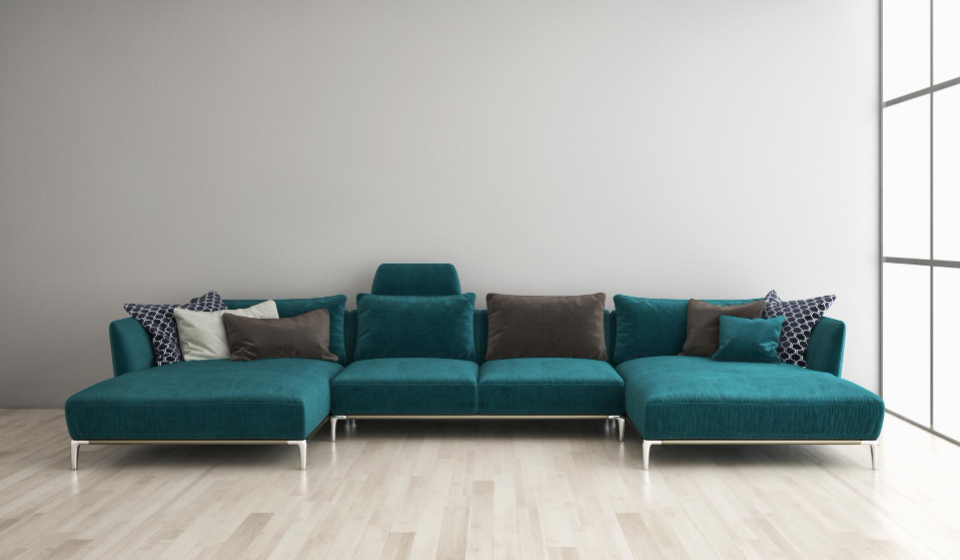
A chaise lounge gives a living room a comfortable place to stretch out, read, watch television or take a quiet break. However, choosing the right one involves more than picking a design that catches the eye. Consider size, seating comfort, upholstery, room layout, and everyday use. When choosing a chaise lounge in Midland, understanding these factors can make it easier to find an option that suits both the room and lifestyle.
What Is a Chaise Lounge?
A chaise lounge is an upholstered seat designed for sitting and reclining, with a longer seat that allows the legs to stretch out. Most designs feature a backrest at one end, while some also have side arms for added support.
The extended seat provides extra room to relax, making a chaise lounge suitable for reading, watching television, resting, or simply putting your feet up. Freestanding designs can suit living rooms, bedrooms and reading areas, while chaise sections can also form part of a larger sofa.
Key Factors to Consider When Buying a Chaise Lounge
Chaise Lounge Size and Room Proportions
The size of a chaise lounge should suit the room rather than making the space feel crowded. Taking a few measurements before buying can prevent problems with positioning and movement.
Measure the Available Space
Measure the area where the chaise will be placed before looking at specific models. Note the length and width of the available floor space, then check the position of doors, windows, power points and existing furniture.
The route into the room also needs attention. Measure doorways, hallways and narrow corners to make sure the chaise can be delivered without difficulty.
Consider the Chaise Dimensions
Check the chaise lounge’s length, width and height before buying. Also look at the seat length and depth, as wide arms or a deep backrest can reduce the usable seating area. Taller users should check the seat length to ensure there is enough room to stretch out comfortably.
Allow Enough Walking Space
Leave enough room around the chaise for easy movement. Avoid placing it across a doorway or frequently used walkway, as this can make the room harder to move through.
Keep a comfortable gap between the chaise and nearby sofas, coffee tables, cabinets and walls. This also makes cleaning around the furniture easier.
Match the Room Scale
Choose a chaise lounge that suits the size of the room and the furniture around it. A large chaise can take over a smaller living room, while a compact design may look lost in a spacious area. Check its proportions against the sofa, armchairs and other furniture to keep the seating arrangement balanced.
Consider the Overall Furniture Layout
Before deciding where the chaise will be placed, consider the position of the other furniture in the room. It should not block walkways or make nearby sofas and tables difficult to access. Positioning the chaise at the right angle can also make the seating area more comfortable and practical.
Matching Chaise Lounge Styles to Different Interiors
The chaise should work with the furniture, colours and finishes already used in the room. Look at the shape of the frame, upholstery and overall design before choosing a style.
- Modern and Contemporary Interiors: Look for clean lines, simple shapes and plain upholstery. Shades such as grey, cream, black or white can work well with contemporary sofas and furniture.
- Classic and Traditional Interiors: Curved arms, wooden legs, button detailing and textured upholstery can suit rooms with traditional furniture. Richer colours and patterned fabrics can also fit this style.
- Minimalist and Neutral Interiors: Choose a chaise with a simple frame and understated upholstery. Beige, cream, light grey and other soft shades can maintain the room’s simple look.
- Bold and Statement Interiors: A bright colour, striking pattern or distinctive shape can give the chaise a stronger presence. Keep other furniture more restrained so the room does not feel visually busy.
Comfort Features to Look for in a Chaise Lounge
A chaise needs to feel comfortable as well as look good in the room. Seat size, cushion firmness, back support and upholstery all affect how it feels when sitting or reclining.
Seat Depth and Height
Seat depth affects how much room there is to stretch out, while seat height influences how easily you can get in and out of the chaise. A deeper seat suits reclining, whereas a shallower design may be better for a more upright position. The seat height should also allow the feet to rest comfortably on the floor.
Cushion Firmness and Support
Cushion firmness affects how well a chaise supports the body. Softer cushions offer a deeper, more relaxed feel, while firmer cushions provide stronger support and make it easier to maintain a stable position. Choose the firmness based on personal comfort and how the chaise will be used.
Backrest and Armrest Design
The backrest should provide steady support for the back, particularly when the chaise is used for reading or relaxing. Check its height and angle to find a position that feels natural. Armrests can support the arms and add structure to the design, but wider arms also reduce the usable seat space.
Upholstery and Feel
Upholstery affects how the chaise feels, looks and holds up with regular use. Fabric offers a range of textures and colours, while leather has a smooth finish and is generally easy to wipe clean. Choose a material that suits the room, expected use and level of care it requires.
Chaise Lounge Functionality for Everyday Living
A chaise lounge can be used for more than relaxing. Its extended seat gives it several practical uses around the home.
- Relaxation and Lounging: The longer seat provides room to stretch out while reading, watching television or taking a break.
- Additional Seating: It offers another seating option when the main sofa is occupied, making it useful when guests visit.
- Reading and Quiet Activities: Place the chaise near a window or floor lamp to create a comfortable spot for reading or other quiet activities.
- Flexible Room Layouts: A freestanding chaise can work alongside sofas and coffee tables without taking up the space of another full sofa. Leave enough room between each piece for easy movement.
- Multi-Purpose Use: Use it as casual seating during the day and as a place to recline when relaxing in the evening.
Conclusion
Choosing a chaise lounge involves considering its size, comfort, style and how it will be used. Measuring the available space and checking the layout can help ensure it fits the room without restricting movement.
The right chaise should provide comfortable support while complementing the existing furniture. With the right size and placement, it can be a useful addition to the living room.
Frequently Asked Questions
What size chaise lounge is best for a living room?
The best size depends on the room and available space. Choose a chaise that provides enough room to relax without blocking walkways or overcrowding the living area.
Are chaise lounges suitable for small spaces?
Yes. A compact chaise lounge can suit a small living room, as long as it suits the available space and leaves clear walkways.
Can a chaise lounge be used as extra seating?
Yes. A chaise lounge can provide extra seating when the main sofa is occupied, making it useful when guests visit.
What should you consider when positioning a chaise lounge?
Consider the available space, nearby furniture and walking areas. Position the chaise where it does not block doorways or make it difficult to move around the room.
How do you maintain and care for a chaise lounge?
Regular cleaning, prompt stain removal and proper care can help keep a chaise lounge in good condition. Always follow the manufacturer’s cleaning instructions.