
When homeowners think about roof performance, they often focus on shingles or materials. However, roof design plays an equally critical role—especially when it comes to managing rainwater and protecting a home’s foundation. A trusted roofing company in Seward understands that poor drainage doesn’t just damage the roof; it can compromise the entire structure below.
Roof Pitch and Water Flow
Roof pitch refers to the steepness of the roof, and it directly affects how efficiently water drains. Steeper roofs allow rain and melting snow to move quickly toward gutters and away from the house. Low-slope or poorly designed pitches, on the other hand, can cause water to linger, increasing the risk of leaks, mold, and ice dams.
In regions that experience heavy rainfall or snow, improper pitch can overwhelm drainage systems, pushing water toward walls and foundations instead of safely away from them.
Valleys: High-Risk Drainage Zones
Roof valleys—where two roof slopes meet—handle a large volume of runoff. If valleys are poorly designed or improperly flashed, water can seep beneath roofing materials. Over time, this can lead to interior leaks and structural decay.
A knowledgeable roofing contractor evaluates valley angles, materials, and water flow patterns to ensure runoff is directed efficiently into gutters rather than toward vulnerable areas of the home.
Overhangs and Eaves Matter More Than You Think
Overhangs help guide rainwater away from exterior walls and foundations. Roofs without adequate overhangs allow water to cascade directly down siding, increasing soil saturation near the base of the home.
When water pools around a foundation, it can cause cracks, basement leaks, and long-term structural instability. This is why a trusted roofing company in Seward often considers overhang dimensions when diagnosing recurring moisture or foundation issues.
Gutter Placement and Drainage Control
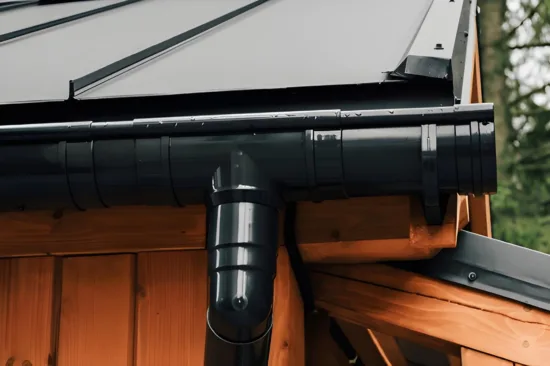
Even a well-designed roof can fail if gutters are incorrectly placed or undersized. Gutters must align with roof edges and valleys to capture runoff effectively. Poor placement causes overflow, which dumps water directly beside the foundation.
Downspouts should also extend far enough from the home to prevent water from cycling back toward the foundation. In many cases, drainage problems blamed on gutters actually stem from roof design flaws that roofing professionals are trained to identify.
When Roofing Contractors Get Involved
Homeowners often discover foundation problems long after the initial cause. Cracks, damp basements, or erosion around the home may trace back to roof design issues rather than ground-level drainage alone. This is where roofing contractors step in—evaluating pitch, valleys, overhangs, and gutter systems to pinpoint the source of improper water flow.
A trusted roofing company in Seward doesn’t just replace materials; it assesses how the entire roof system protects the structure below.
Protecting Your Home Starts at the Top
Roof design and drainage are inseparable from foundation health. By ensuring proper slope, strategic valleys, adequate overhangs, and correctly placed gutters, homeowners can prevent costly damage before it starts. When drainage issues arise, professional roof evaluations are often the key to long-term structural protection.